

The Best Chicken Coop Flooring Options (And Why I Switched to Sand)
When we first started with chickens, I assumed bedding was just… bedding. Pick something soft, toss it in, and that’s that, right?
Nope.
After trying wood shavings, straw, and even the trendy hemp bedding, I finally found the one option that made me go:
“Why didn’t I do this sooner?”
Spoiler: It’s sand.
And yes—it’s a little different to set up, but wow has it made a difference in how easy, odor-free, and low-maintenance our coop is.
In this post, I’ll walk you through:
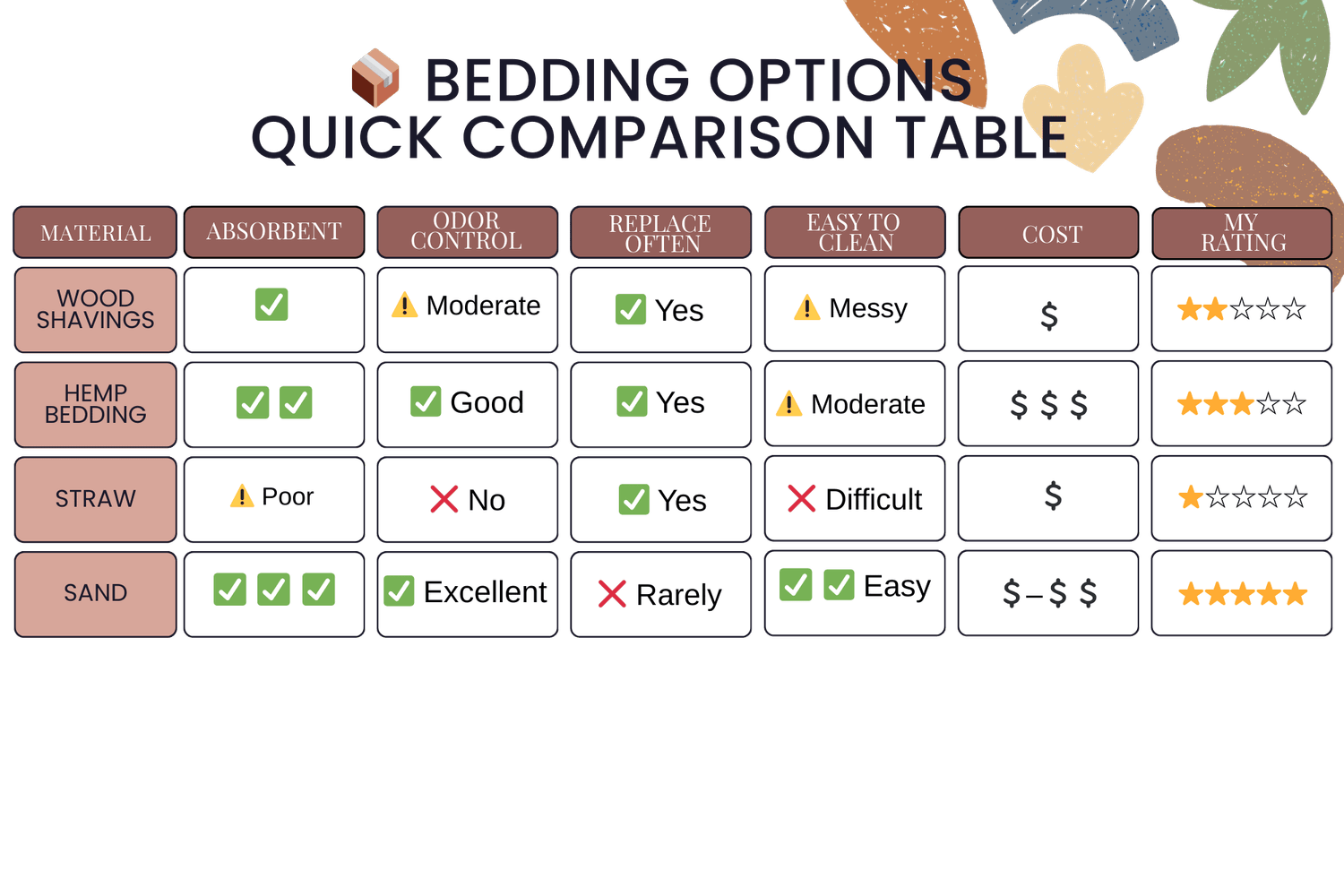
The most common chicken coop floor materials
The pros and cons of each
And why I’ll never go back from using sand
🌾 1. Wood Shavings (Pine)
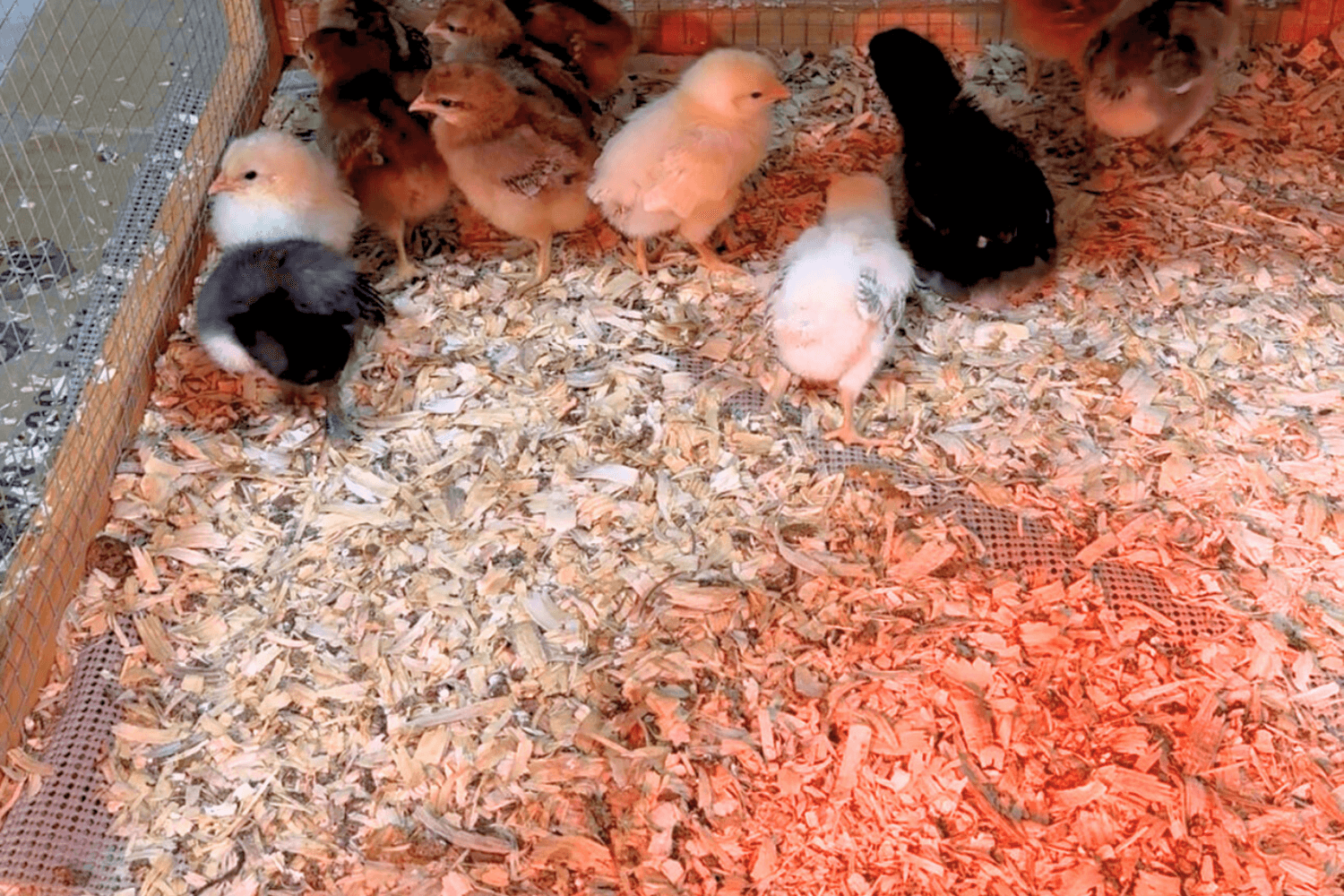
The go-to option for most beginners. It’s affordable, soft, and easy to find at farm stores.
✅ Pros:
Inexpensive and widely available
Absorbs moisture fairly well
Chickens enjoy scratching in it
❌ Cons:
Needs to be replaced regularly
Can get dusty and create respiratory issues
Can become soggy or moldy in wet climates
🔎 Tip: If you’re using wood shavings, keep a close eye on moisture buildup—it’s easy to miss until odor becomes an issue.
🌿 2. Hemp Bedding
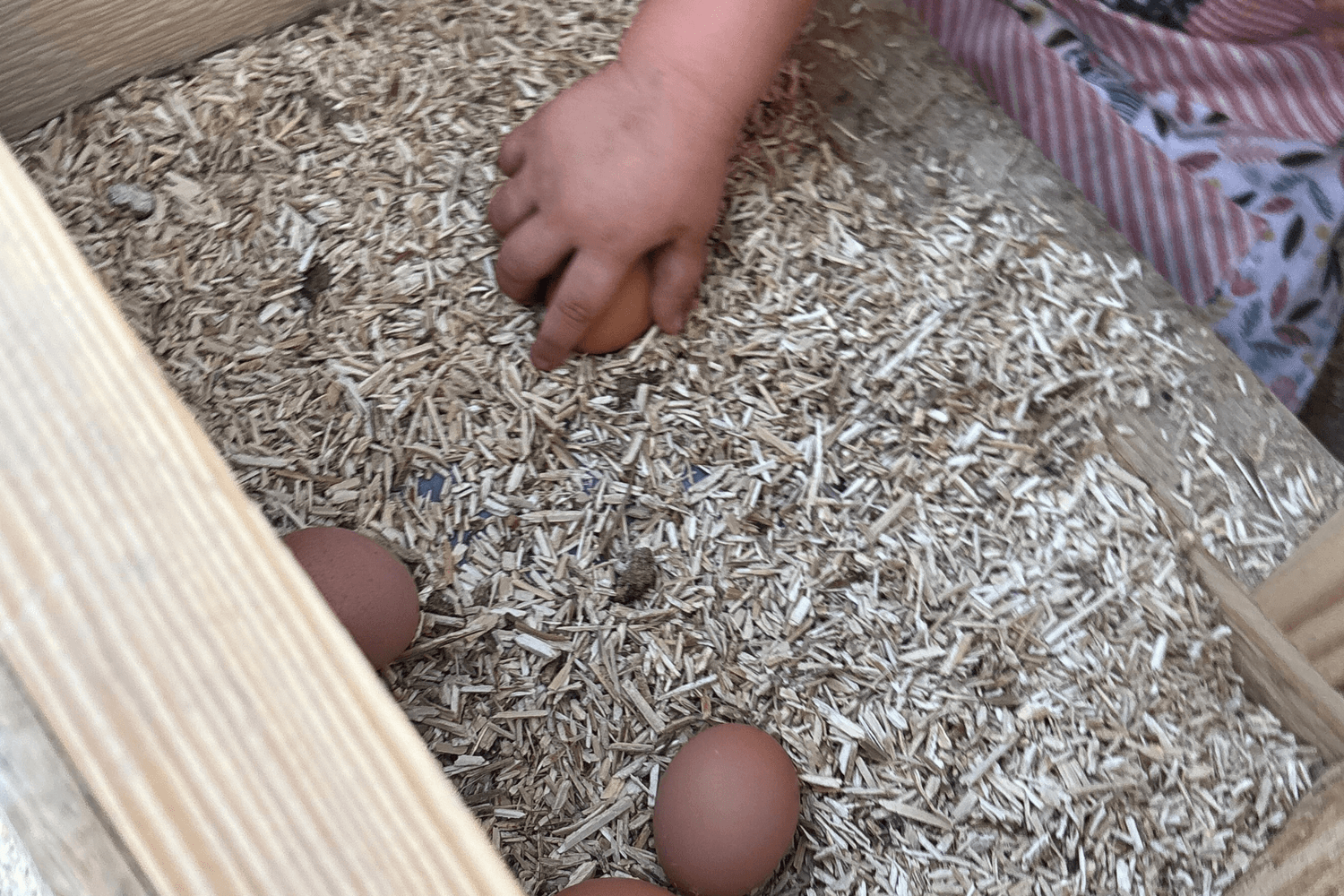
A newer, eco-friendly option that’s becoming more popular.
Made from the inner core of hemp stalks (called hurd), it’s super absorbent—but a bit pricey.
✅ Pros:
Absorbs 4x more moisture than pine
Low dust = better air quality
Natural odor control
❌ Cons:
Expensive and not always easy to find
Still needs regular replacing
Can compact over time in damp coops
🧠 If you’re sensitive to dust or prioritizing odor control, hemp is a solid upgrade—but still higher maintenance than sand.
🌾 3. Straw
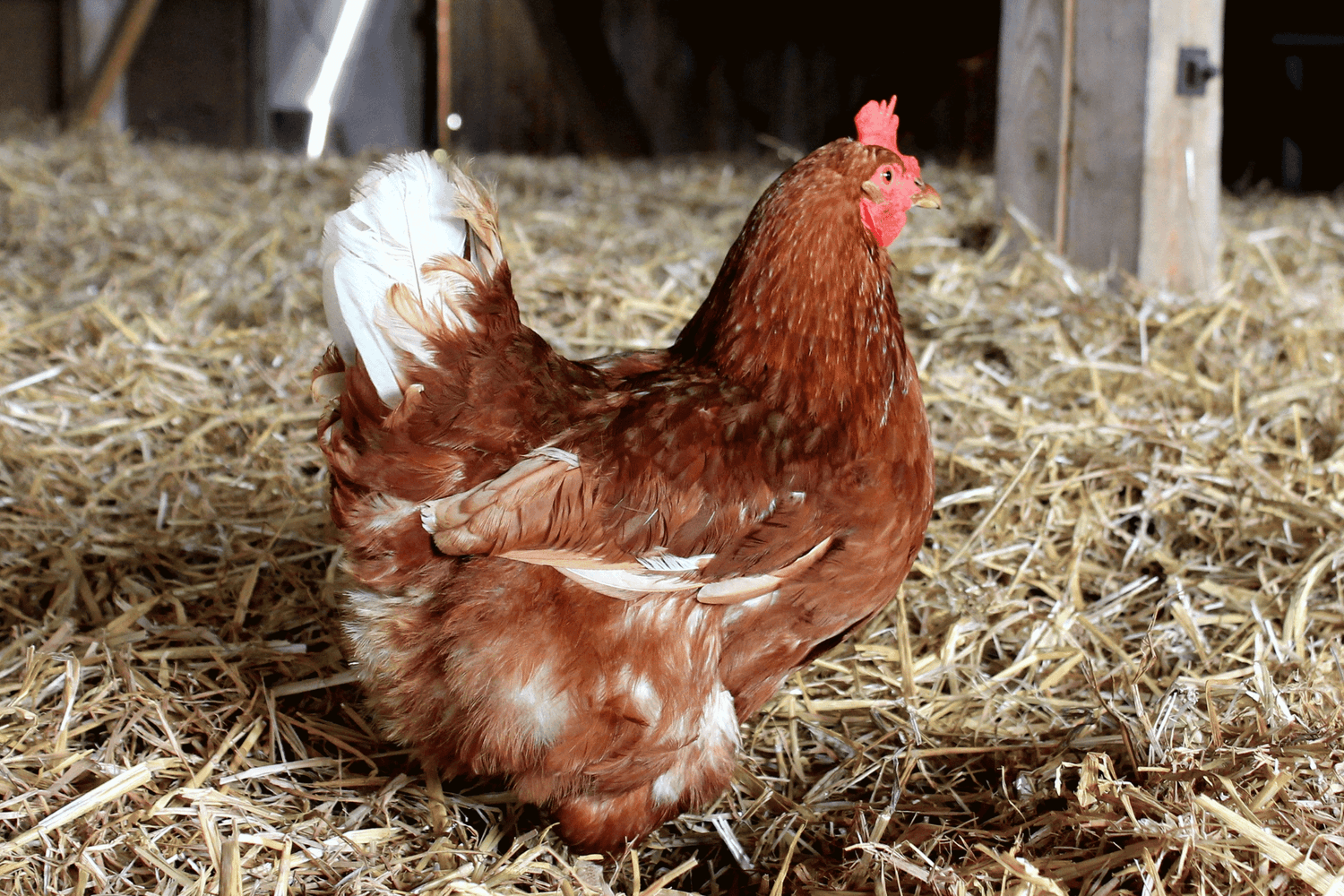
Often used in nesting boxes or winter setups, straw is cozy but not the most functional for daily coop life.
✅ Pros:
Warm and insulating
Chickens love to scratch and nest in it
Readily available in most rural areas
❌ Cons:
Terrible at absorbing moisture
Can mold quickly
Becomes a breeding ground for mites and bugs
Must be replaced often
🛑 In short: great for nesting boxes, not great for floors.
🪨 4. SAND (The Game-Changer)
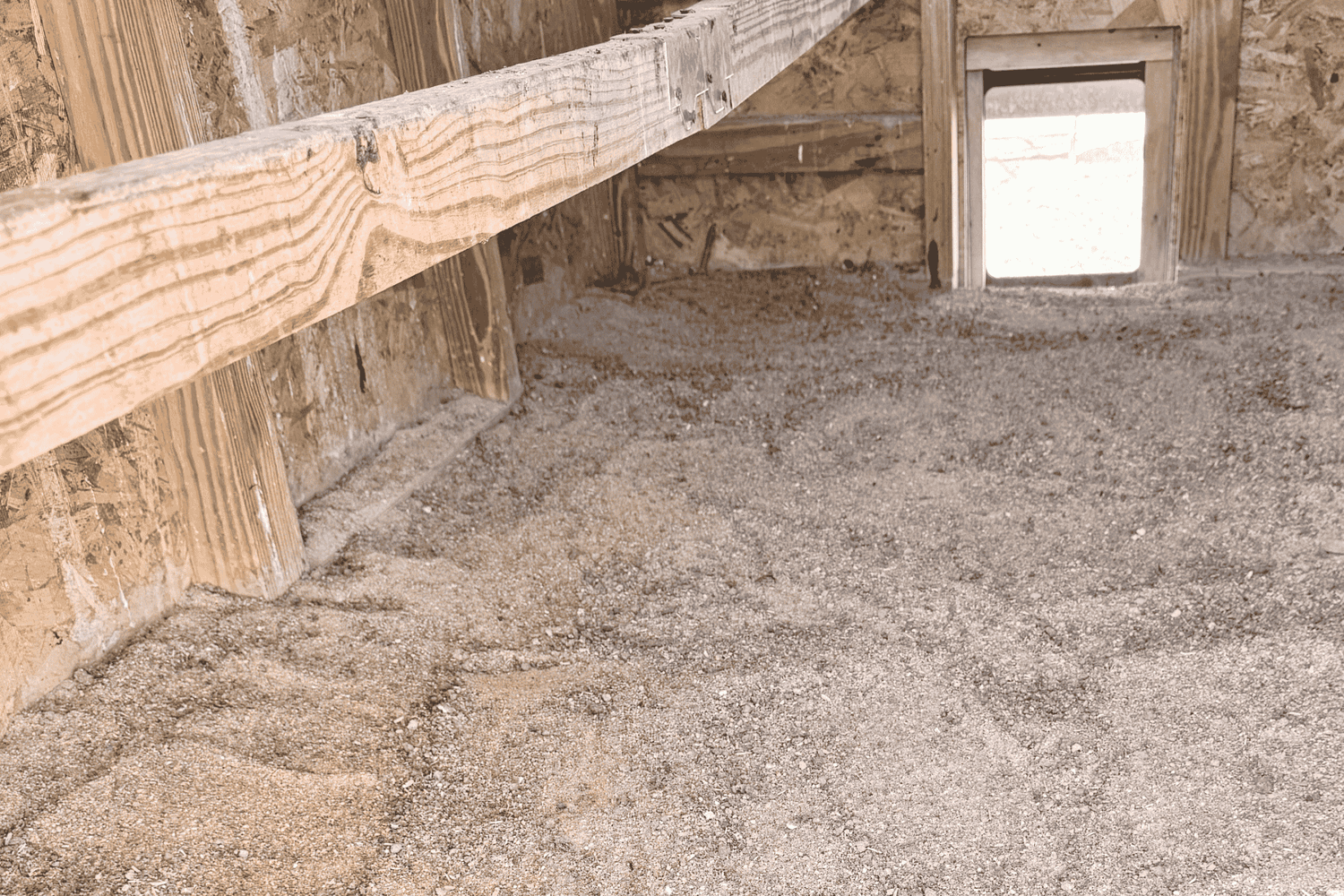
We switched to sand after getting tired of constantly hauling, dumping, and replacing bedding—and it’s honestly the best decision we’ve made for our coop.
Not just "better"—radically easier.
✅ Pros:
Ridiculously easy to clean — use a litter scoop or sifter daily, like cleaning a cat box
Very low odor — waste dries quickly instead of festering
No constant replacing — it lasts months or longer with light daily maintenance
Reusable — scoop it into a sunny spot, sanitize it in the sun, and reuse
Dust-free when dry
Chickens dust bathe right in it (bonus enrichment!)
❌ Cons:
Not easy to move — especially in larger coops
We had to schedule a truckload delivery to fill ours
Can be pricey upfront, depending on your location
Doesn’t retain warmth in winter, so may need straw/nesting material in colder climates
Not ideal for non-walk-in coops where scooping is difficult
🛒 Small flock? You can grab a few bags of washed construction sand or natural sand from home improvement stores, or you can purchase it here on Amazon.
Larger setup like ours? Call a local landscape supply company—they often offer bulk delivery at a decent rate.
🧽 Why Sand Changed Everything for Us
We used to dread coop cleanout days.
Now? It takes less than five minutes to scoop out the droppings, and that’s it.
No more:
Buying shavings every month
Hauling wheelbarrows of bedding
Dealing with wet, smelly corners
I wish someone had told me about sand when we first started.
🧠 Want to see the rest of our setup? Read: Chicken Coop Mistakes That Cost Me Time + Money to avoid the messy trial-and-error we went through.
🧹 What Supplies Do You Need to Clean Coop Bedding?
Each type of coop flooring has different cleaning needs—here’s what you’ll want on hand depending on your setup:
🪨 For Sand:
Litter scoop or sand sifter (cat litter scoops work great for small coops)
(Here's the exact one I use. Check price on Amazon.)
Metal rake or garden fork for leveling (optional for larger areas)
Bucket to dump waste into that you scooped out
Optional: mesh screen sifter for larger coops (DIY or store-bought)
🧠 Pro tip: Scoop daily like a cat litter box. Waste dries fast, making it smell-free and simple to maintain.
🌾 For Wood or Hemp Shavings:
Stiff rake or manure fork
Wheelbarrow or muck bucket for hauling out soiled bedding
Dust mask (especially if bedding is dry and dusty)
Fresh bedding for full replacements every few weeks
🍂 For Straw:
Pitchfork or rake
Wheelbarrow or large bag for disposal
Frequent replacements to prevent odor and pests
Want to see everything I use for my flock? Grab my full list of chicken-keeping supplies right here.
🛠️ Final Thoughts: Choose What Works for You
There’s no one-size-fits-all when it comes to coop flooring—but if you:
Hate cleaning
Want something low-maintenance
Are tired of constantly buying new bedding
Sand is 100% worth considering.
Just plan for the upfront logistics—especially if your coop is large—and you’ll thank yourself for months to come.
🐓 Want help planning your full coop setup? My Free Chicken Keeper Starter Toolkit includes a printable coop planner + bedding tracker you can use as you experiment with what works best for you.
👉 Ready for a deeper dive? My book, Raising Chickens for Beginners, is available on Amazon and walks you through every step of starting your flock with confidence—from setup to daily care.
This post may contain Amazon affiliate links, which means I may earn a small commission at no extra cost to you. I only recommend products I personally use and trust. 🐔

Live Simply · Grow Confidently · Rise Fully
Sign up for email updates and exclusive offers




©Modernhomesteadwoman.com | Copyright 2026 | All Rights Reserved