

The Easiest Chickens for Beginners: Low‑Maintenance Breeds That Lay Like Crazy
If you're dreaming of fresh eggs without feeling chained to a coop every day, this guide is for you.
Not all chicken breeds are created equal—some are calm, productive, low-maintenance, and perfect for first-time keepers. Others? Not so much.
In this beginner-friendly post, you'll learn:
The easiest chickens for beginners to raise
Which breeds lay reliably without being high-drama
Common breed-selection mistakes and which breeds to avoid
And how to confidently choose the best chickens for your lifestyle
Let’s get your flock off to a confident, calm, and egg-filled start. 🥚
🧠What Makes a Chicken Easy for Beginners?
Before we dive into the breeds, let’s talk about what actually makes a chicken beginner-friendly.
The easiest chickens for beginners usually share these traits:
✔ Calm, Friendly Temperament
Chickens that are docile and easy to handle make everything—feeding, cleaning, egg collecting—less stressful.
✔ Consistent Egg Laying
Some breeds lay like clockwork. Others… not so much. You’ll want breeds that deliver 4–6 eggs per week per hen, with minimal fuss.
✔ Hardy and Resilient
Beginner keepers need breeds that can adapt to small mistakes. Hardy chickens can handle imperfect coops, weather shifts, and basic feed without drama.
👀 Want to avoid early mistakes with your setup too? Don’t miss Chicken Coop Mistakes That Cost Me Time + Money (so you don’t repeat them).
📌The 5 Best Low‑Maintenance Chickens for Beginners
These breeds are all beginner-approved: friendly, hardy, and great egg layers.
1. Rhode Island Red
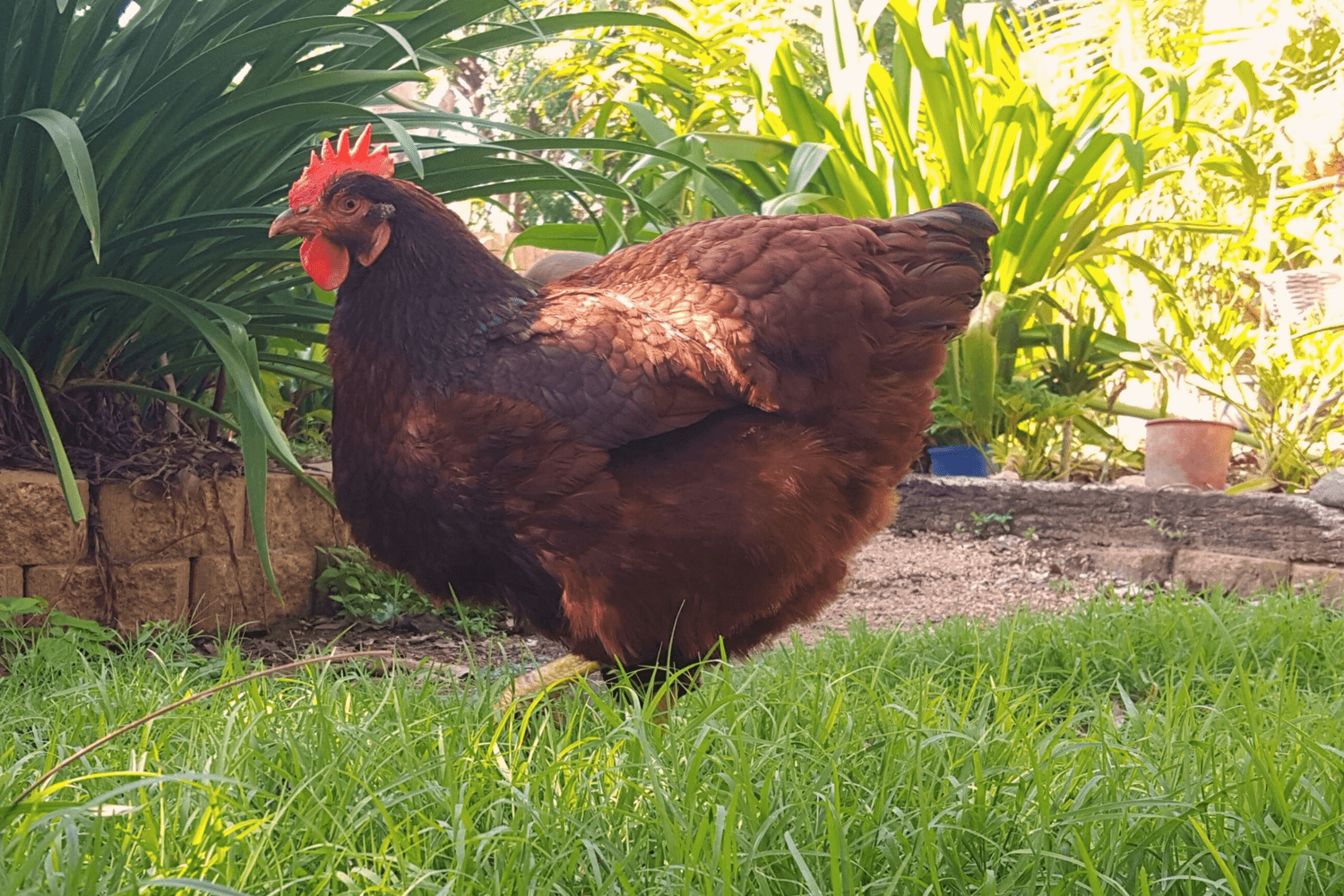
Best for: First‑time chicken keepers who want reliability
Excellent egg layers (4–6 brown eggs per week)
Hardy in hot and cold climates
Calm, confident, and forgiving
This is one of the most popular beginner chicken breeds for a reason.
2. Plymouth Rock
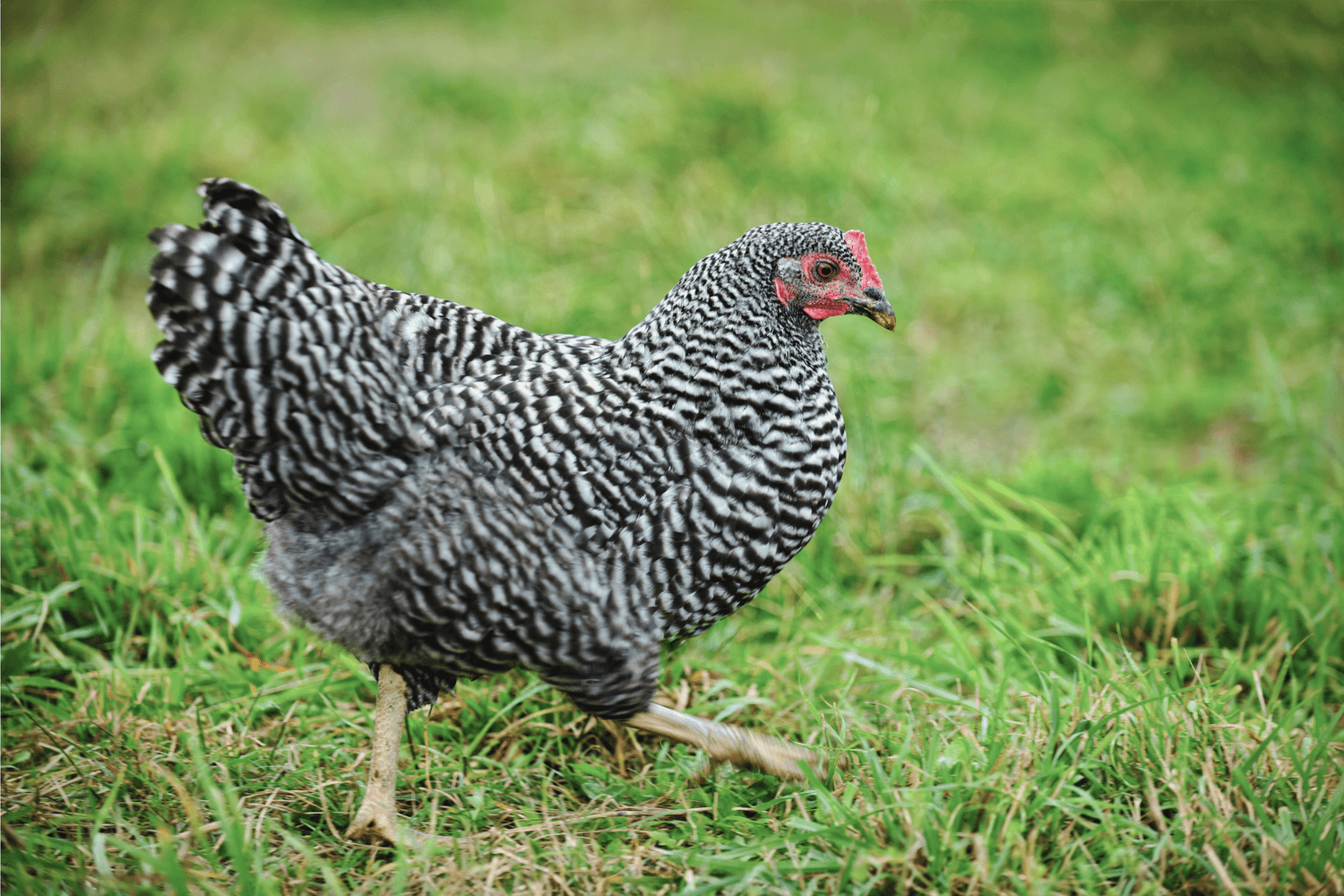
Best for: Families and backyard flocks
Friendly and docile
Great egg production
Easy to manage in small flocks
Plymouth Rocks are often recommended if kids will be involved.
3. Australorp
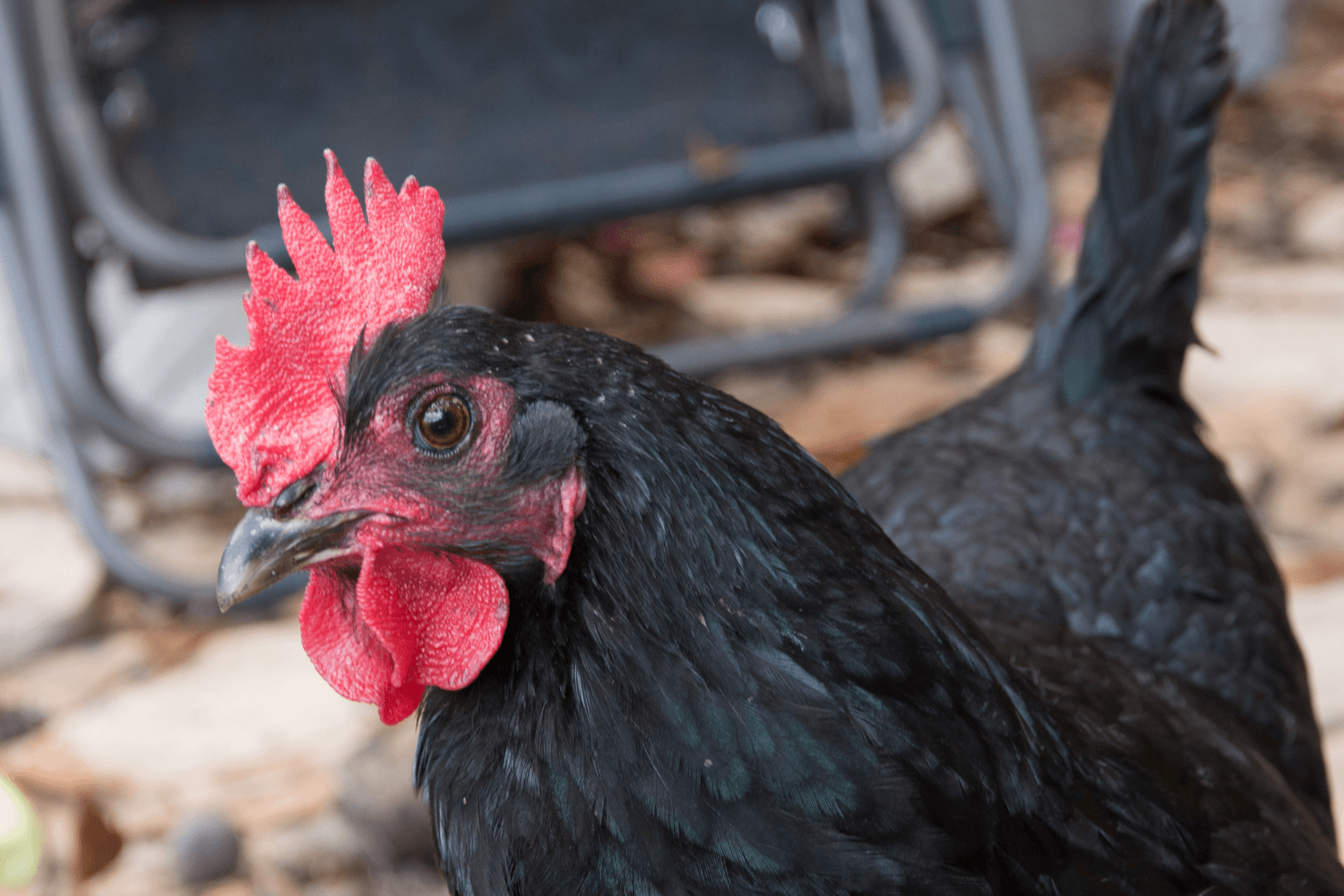
Best for: Maximum egg production with minimal effort
Known for laying 250–300 eggs per year
Quiet and calm
Excellent for colder climates
If your goal is lots of eggs with low maintenance, this breed is hard to beat.
4. Sussex
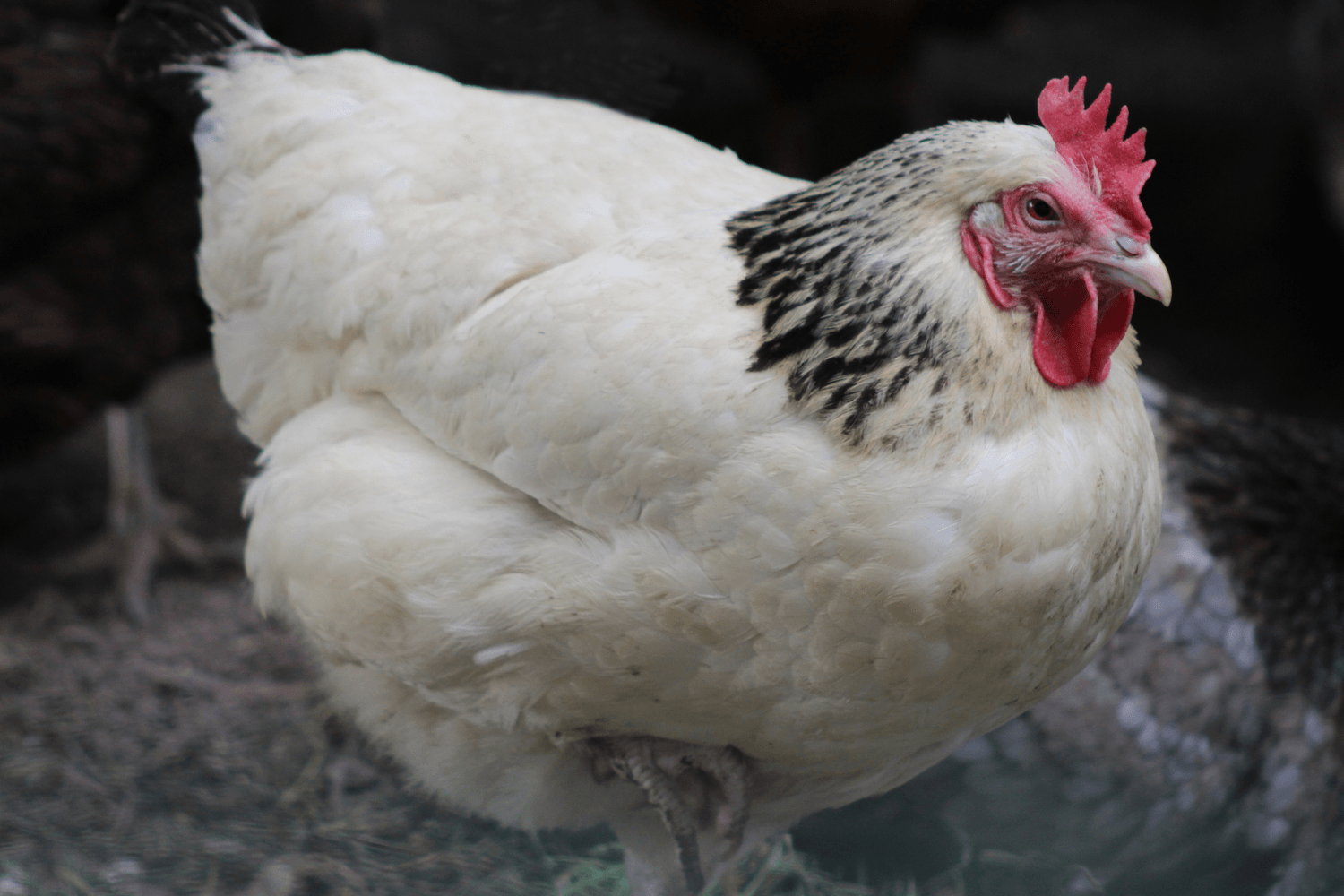
Best for: Beginner keepers who want dual‑purpose chickens
Good egg layers
Curious but friendly
Adaptable to confinement or free‑range
Sussex chickens are especially forgiving if you’re still learning routines.
5. ISA Brown / Red Sex Link
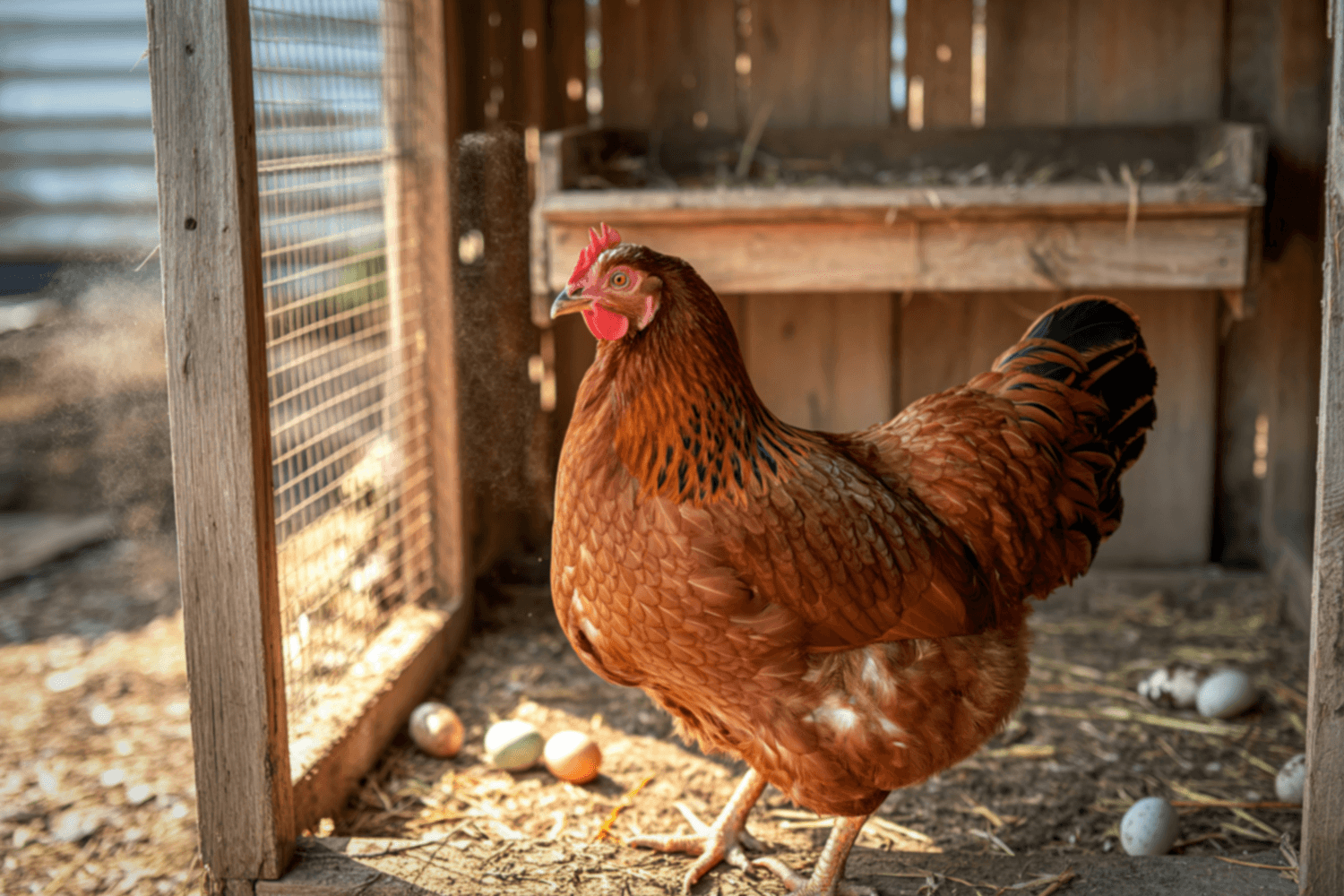
Best for: Beginners who want fast results
Lay early and often
Extremely consistent layers
Easygoing temperament
These hybrids are often chosen by beginners who want eggs quickly without complications.
3 Common Beginner Mistakes When Choosing Chicken Breeds
1. Picking Chickens Based on Looks Alone
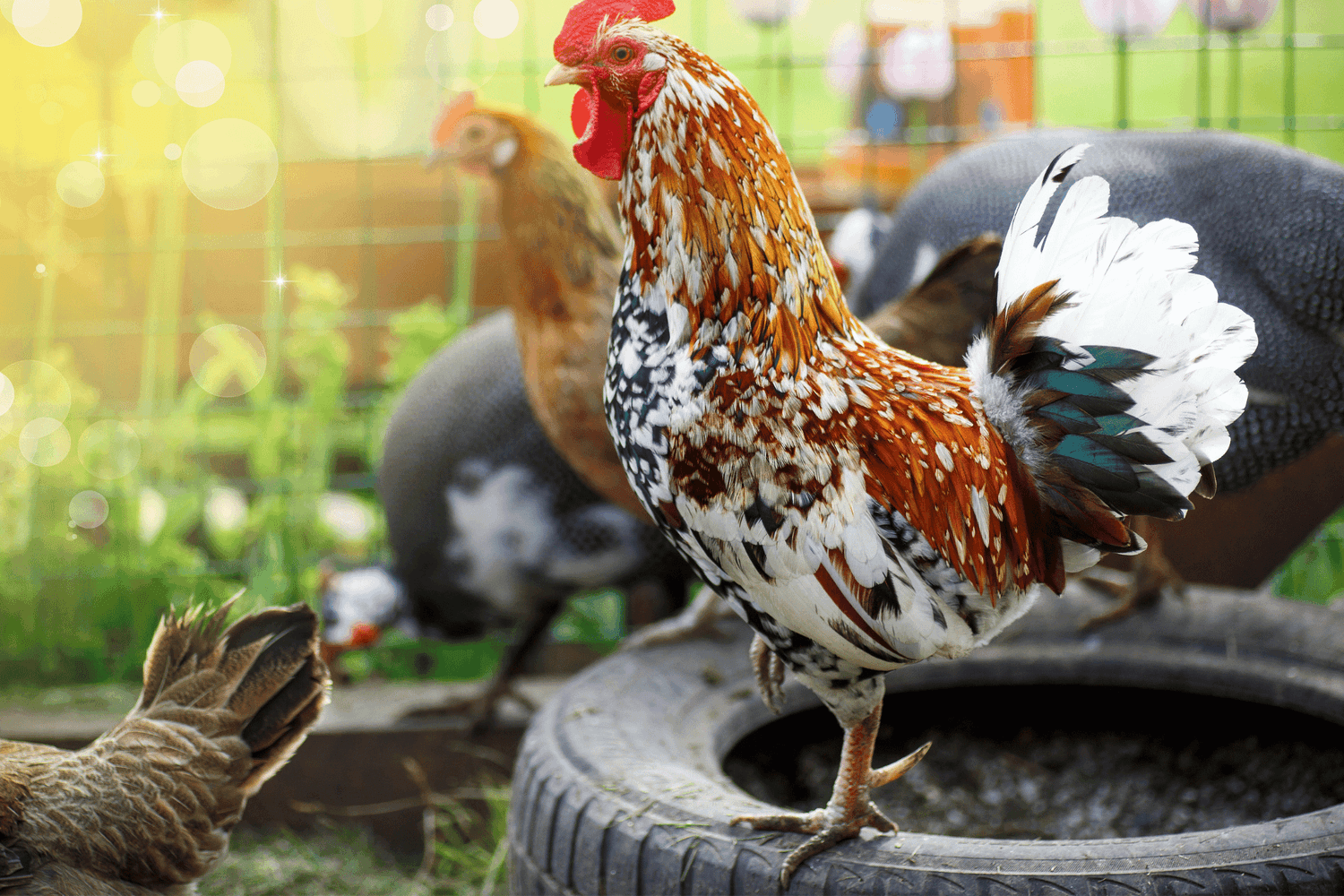
It’s easy to fall in love with fluffy feathers, fancy crests, or unusual coloring—but ornamental breeds often come with extra challenges.
Many “pretty” chickens:
Require more grooming or maintenance
Are more sensitive to weather
Lay fewer eggs or stop laying more often
As a beginner, function matters more than form. You can always add decorative breeds later once you’ve built confidence.
2. Mixing Too Many Breeds Too Soon
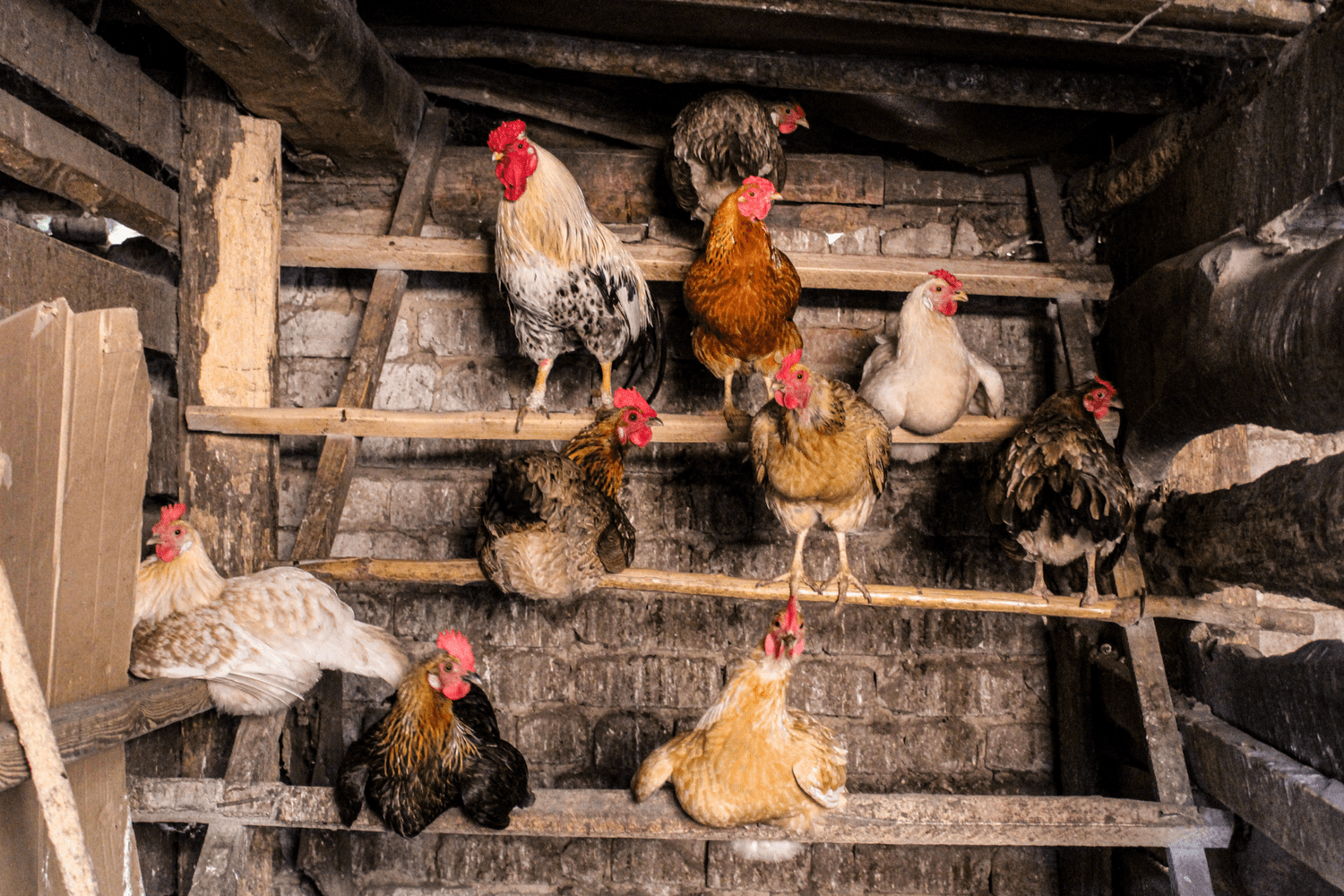
Variety is fun—but too much variety at the start can complicate things.
Different breeds can have:
Different temperaments
Different laying patterns
Different space or feeding needs
Starting with one or two beginner‑friendly breeds helps you learn faster and manage your flock more easily. Once you’re comfortable, adding variety becomes much simpler.
3. Ignoring Your Climate and Environment
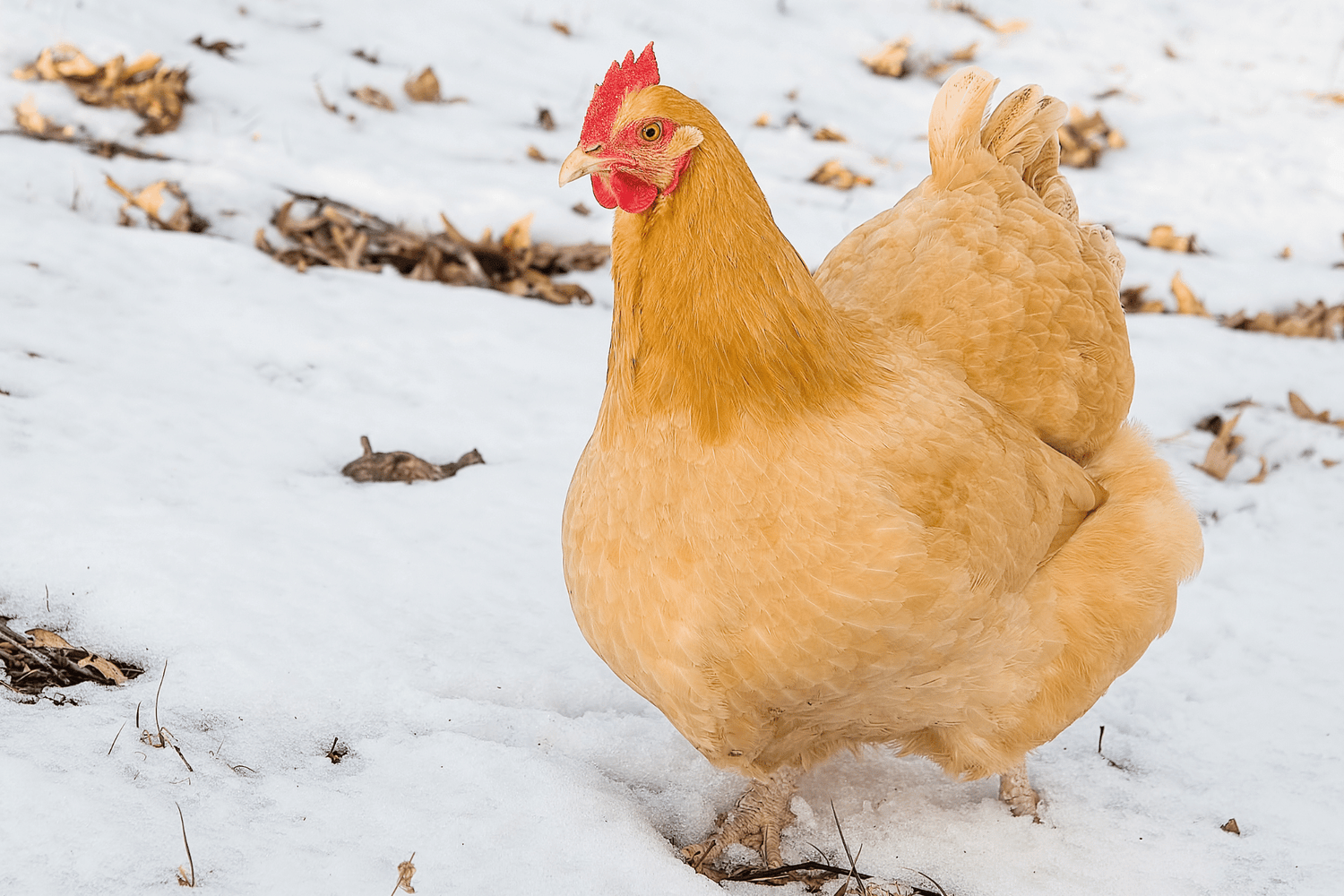
Not all chickens thrive in all climates. This is one of the most overlooked beginner mistakes.
Some breeds:
Struggle in extreme heat
Are prone to frostbite in cold winters
Don’t adapt well to confinement or small yards
Choosing breeds suited to your local weather and space can dramatically improve flock health and egg production.
🔍 Not sure which breeds (or tools) are right for you?
Peek inside Everything in My Confident Chicken Keeper Toolkit, where I share my favorite planning sheets, trackers, and checklists that help simplify breed decisions and keep your flock running smoothly—especially in the early stages.
🚫 Chicken Breeds to Avoid as a Beginner (And Why)
❌ Polish Chickens
Why to avoid:
Their large head crests limit vision, making them nervous and jumpy.
Prone to pecking issues in mixed flocks.
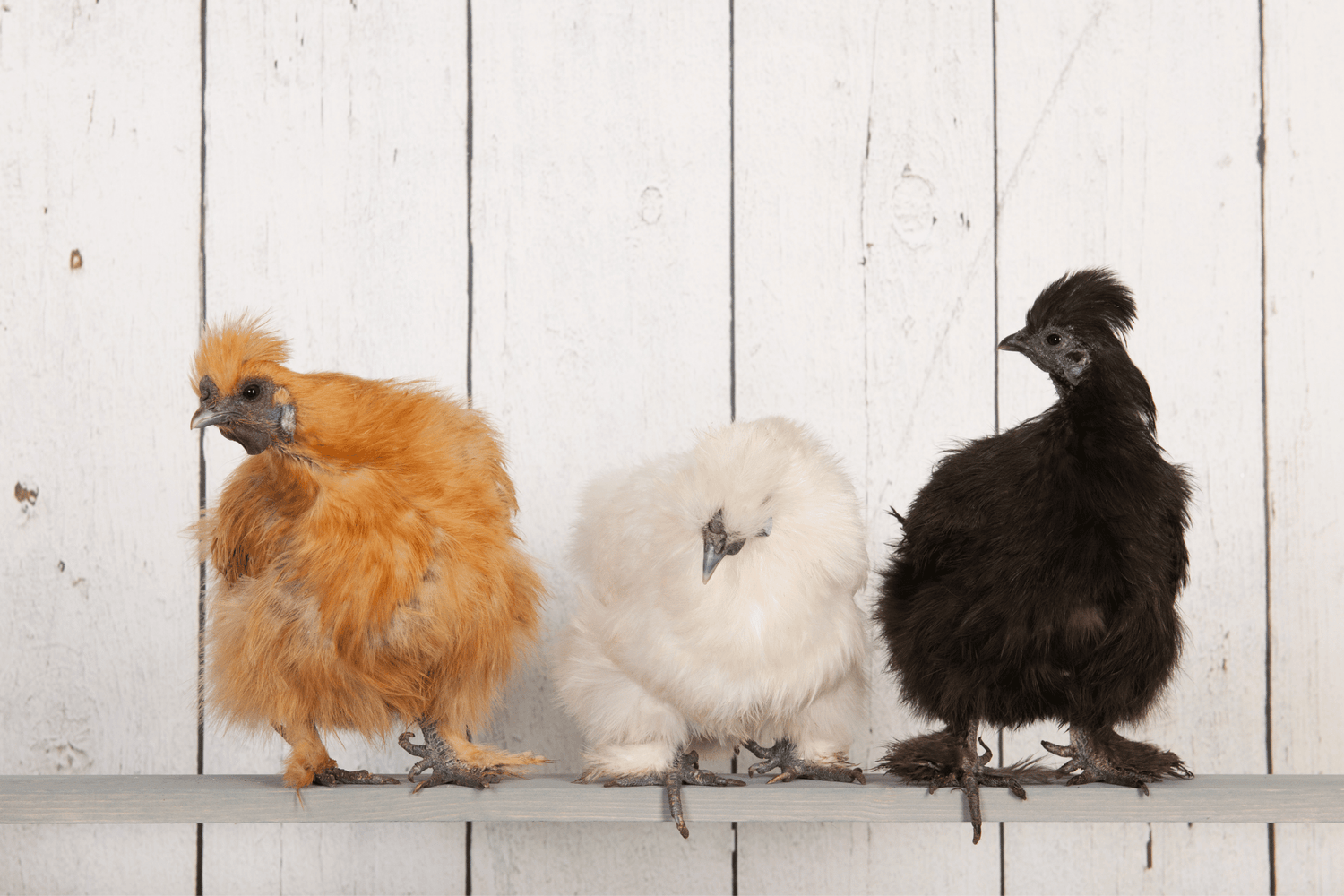
❌ Silkie Chickens
Why to avoid:
Super sweet, but very broody—they’ll stop laying often.
Their fluffy feathers require extra care (especially in wet weather).
❌ Leghorns
Why to avoid:
Great egg layers, but flighty and high-energy.
Not ideal for small spaces or beginner handling.
❌ Game Birds (like Old English Game or Modern Game)
Why to avoid:
Bred for aggression and sport—not ideal for calm, peaceful flocks.
Can be territorial and challenging in mixed groups.
❌ Rare or Exotic Breeds
Why to avoid:
Often require specialized care, climate control, or diets.
Not ideal for someone still learning the basics.
💡 Want help choosing beginner-safe breeds instead? Download my FREE Backyard Chicken Starter Kit—it includes a breed planning worksheet that makes it easy to compare options and avoid overwhelm.
📌How Many Chickens Should Beginners Start With?
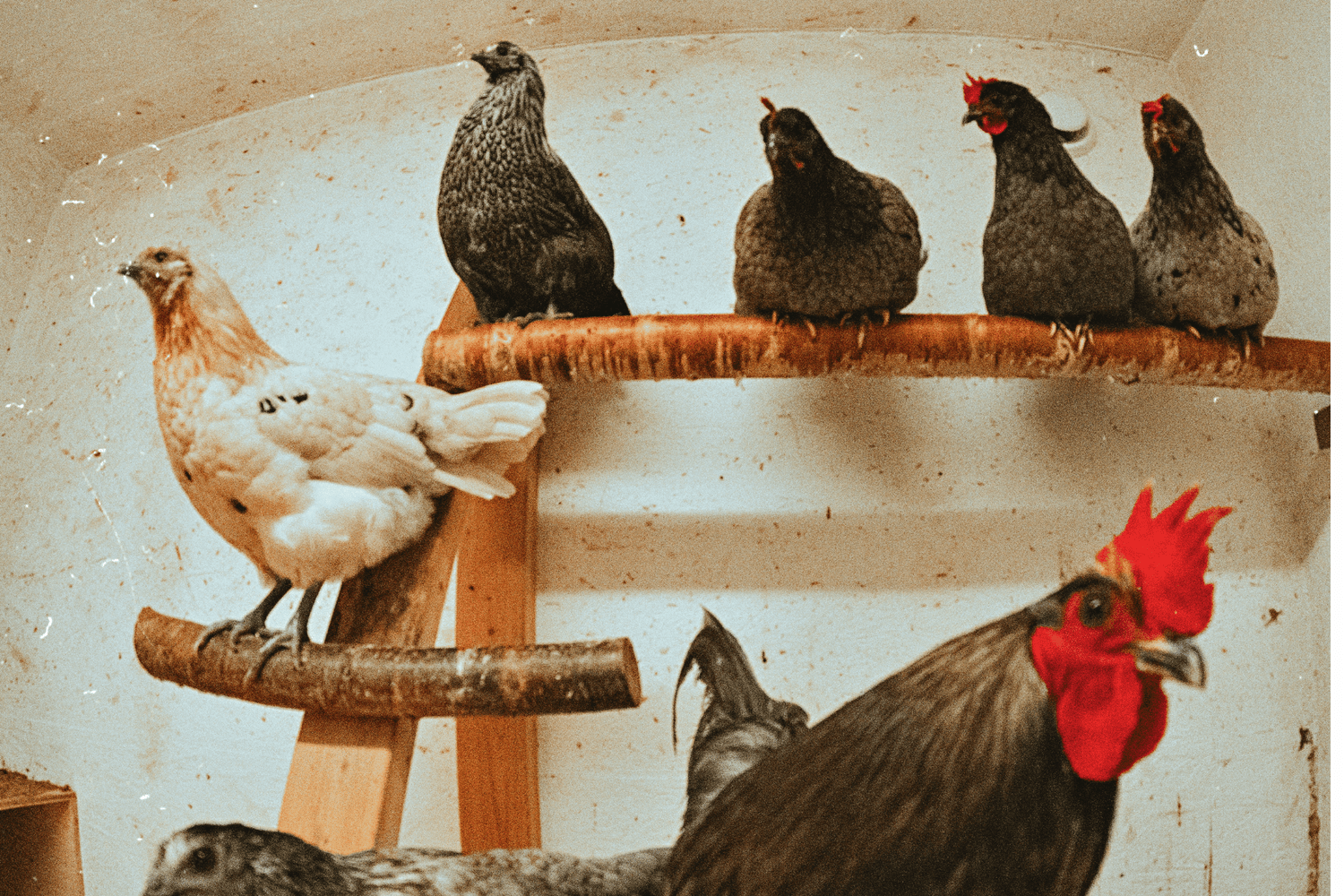
If you’re brand new to chicken keeping, the sweet spot is 3 to 6 hens. It might feel tempting to go big right away, especially when you see all those fluffy chicks at the feed store—but starting small is the smartest way to build confidence and avoid overwhelm.
Here’s why this range works best:
✅ Chickens Are Social Creatures
Chickens thrive in flocks. A solo chicken can become lonely, stressed, or even aggressive. With at least 3 hens, your flock will have a proper social dynamic, and no single bird bears the brunt of isolation or pecking order pressure.
✅ Smaller Flocks Are Easier to Manage
Everything from coop cleaning to feeding to health checks is more manageable with fewer birds—especially when you’re still learning. You’ll get to know each hen, spot problems sooner, and build routines that feel doable, not overwhelming.
✅ You’ll Still Get Plenty of Eggs
With 3–6 reliable layers, you can expect a dozen or more eggs per week, depending on the breed. That’s enough to feed a household, share with neighbors, or even start a small egg-selling side hustle.
✅ Budget-Friendly Startup
Starting with fewer hens means a smaller coop, less feed, and fewer supplies up front. It’s a lower investment while you figure out your preferences, schedule, and chicken care style.
✅ Room to Grow Later
Once you’ve got your system down and your confidence up, you can always expand your flock next season. But if you start too big too fast, it can feel like a part-time job (with feathers).
🔗 Tools That Make Breed Selection (and Chicken Keeping) Easier
Feeling overwhelmed already? That’s normal.
The good news? You don’t have to figure everything out from scratch.
📥 Download my FREE Backyard Chicken Starter Toolkit — it includes:
A beginner breed selector
Printable coop planner
Setup checklists
Egg tracking starter sheet
It’s everything I wish I had before I got my first flock—free to download and ready to use.
❓FAQs: Beginner Chicken Breeds
What is the best chicken breed for first‑time owners?
Rhode Island Reds, Plymouth Rocks, and Australorps are consistently ranked among the easiest chickens for beginners.
What chickens lay the most eggs with the least effort?
Australorps and ISA Browns are known for high egg production with minimal maintenance.
Are backyard chickens hard to take care of?
With the right breeds and a simple system, backyard chickens are very manageable—even for beginners.
Should beginners start with chicks or pullets?
Pullets (young hens close to laying age) are easier for beginners, but chicks are fine if you have a clear care plan.
Can I raise chickens in the city or suburbs?
→ Absolutely. Just be sure to check your city, county, and—if applicable—HOA regulations before getting started.
Conclusion: Start Smart, Start Simple
When you start with easy, low-maintenance chicken breeds, you set yourself up for a smoother, more enjoyable experience from day one. The right breeds are more adaptable, more forgiving of beginner mistakes, and easier to care for through changing seasons.
When you choose wisely, you’ll naturally:
Reduce stress by avoiding high-needs or fragile breeds
Increase egg production with consistent, reliable layers
Enjoy the process far more because your flock works with you—not against you
The right breeds create a strong foundation for everything that comes next, from daily care routines to long-term success with your flock.
🐓 Your Next Steps
🧺 Ready to plan your flock the easy way?
Grab my free printable starter guide here to choose your breeds with confidence.
📘 Want step-by-step support from coop to first egg?
Check out my Raising Chickens for Beginners book on Amazon—it’s a reader-friendly guide built for total beginners (no farm experience required).
This post may contain Amazon affiliate links, which means I may earn a small commission at no extra cost to you. I only recommend products I personally use and trust. 🐔