

How to Make Money From Your Homestead: 11 Realistic Income Streams for Beginners
Many people start a homestead for self-sufficiency, but eventually realize their skills and resources can also create income. Whether you raise chickens, grow food, preserve harvests, or create handmade goods, your homestead has real income potential.
The key is knowing where to start and how to build income gradually using what you already have.
How to Make Money From Your Homestead
Making money from your homestead starts by identifying income opportunities that match your existing skills, animals, equipment, and environment. Many homesteaders earn income through eggs, chicks, produce, preserved foods, handmade goods, and educational resources. Most income streams can be started small and expanded over time.
You do not need a large farm, expensive infrastructure, or a formal business background. Many successful homestead income streams begin with simple resources you already own.
With proper planning and realistic expectations, homesteading can help offset expenses, provide supplemental income, or grow into a meaningful revenue stream.
Why Most Homesteaders Never Create Income
Many homesteaders have the resources and ability to generate income, but never move forward because they lack clarity.
Common obstacles include:
Not knowing where to start
Believing they need more land, animals, or equipment
Underestimating the value of what they already have
Feeling overwhelmed by too many possibilities
Not having a clear plan
The difference between homesteaders who generate income and those who do not is usually structure, not capability.
11 Realistic Homestead Income Streams for Beginners
These income streams are proven, beginner-friendly, and scalable.
1. Selling Fresh Eggs
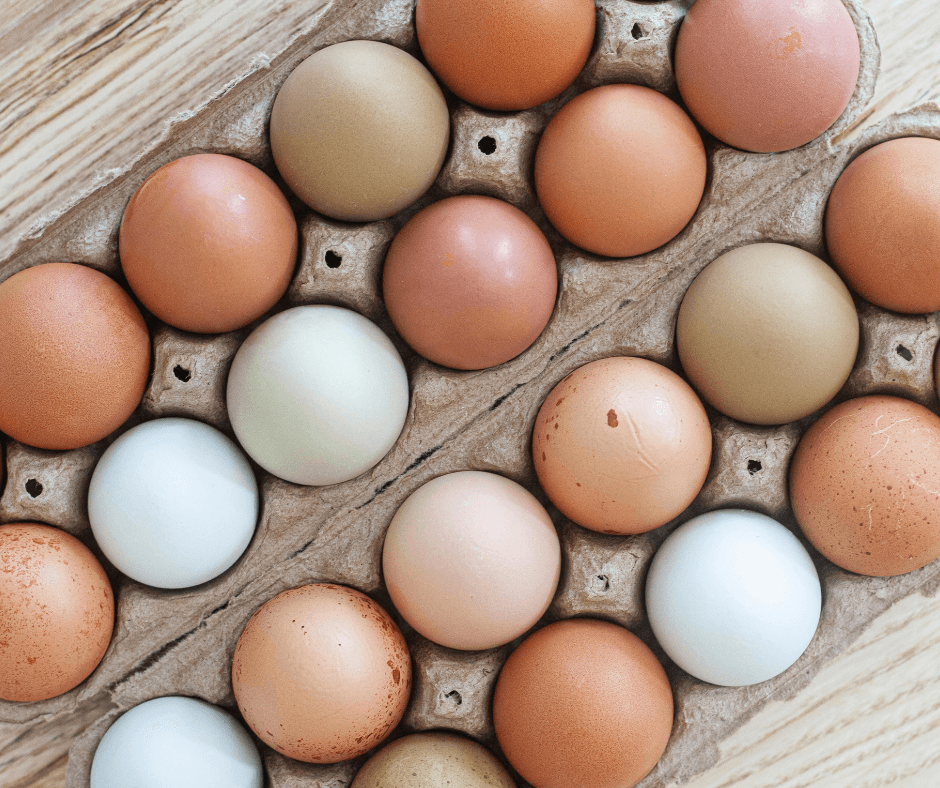
Selling fresh eggs is one of the easiest and most reliable homestead income streams. Eggs are always in demand, and even a small flock can generate consistent weekly income.
Many homesteaders begin by selling eggs to neighbors, friends, or local customers.
2. Selling Baby Chicks
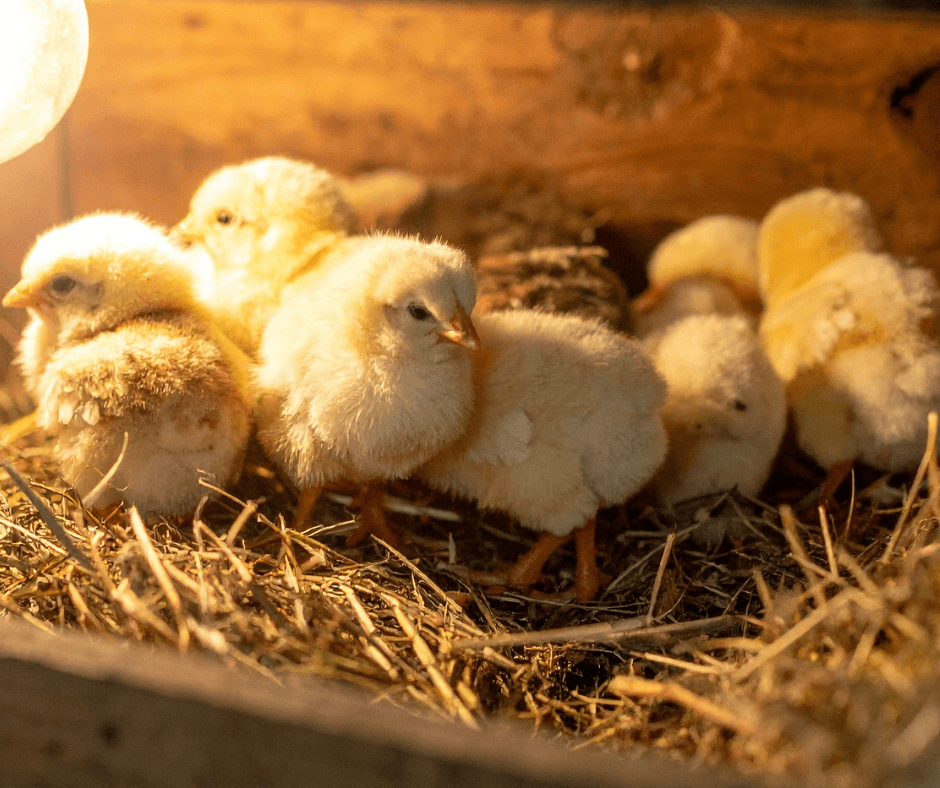
If you hatch chicks, you can sell them to other chicken keepers. Baby chicks often sell quickly, especially during spring and early summer.
This income stream has strong profit potential once you establish a breeding system.
3. Selling Started Pullets
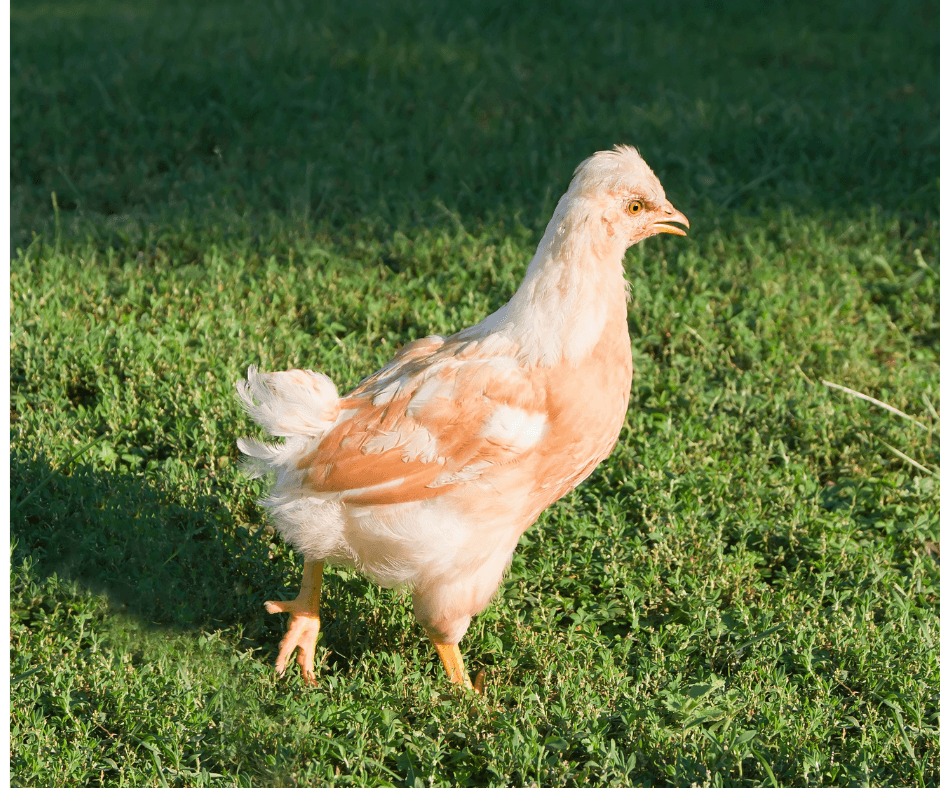
Started pullets are young hens close to laying age. Many buyers prefer pullets because they avoid the brooder stage.
Pullets typically sell for significantly more than chicks.
4. Selling Garden Produce
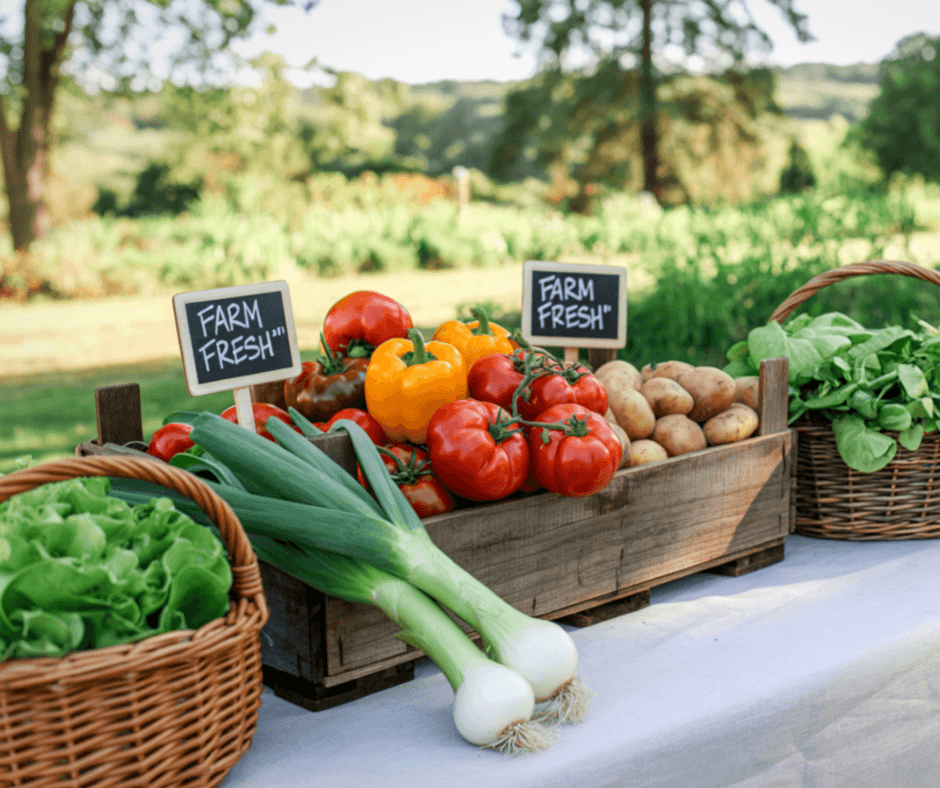
Fresh vegetables, herbs, and fruits are always in demand. Even small gardens can produce excess harvest suitable for sale.
Popular items include tomatoes, herbs, peppers, and greens.
5. Selling Herbs
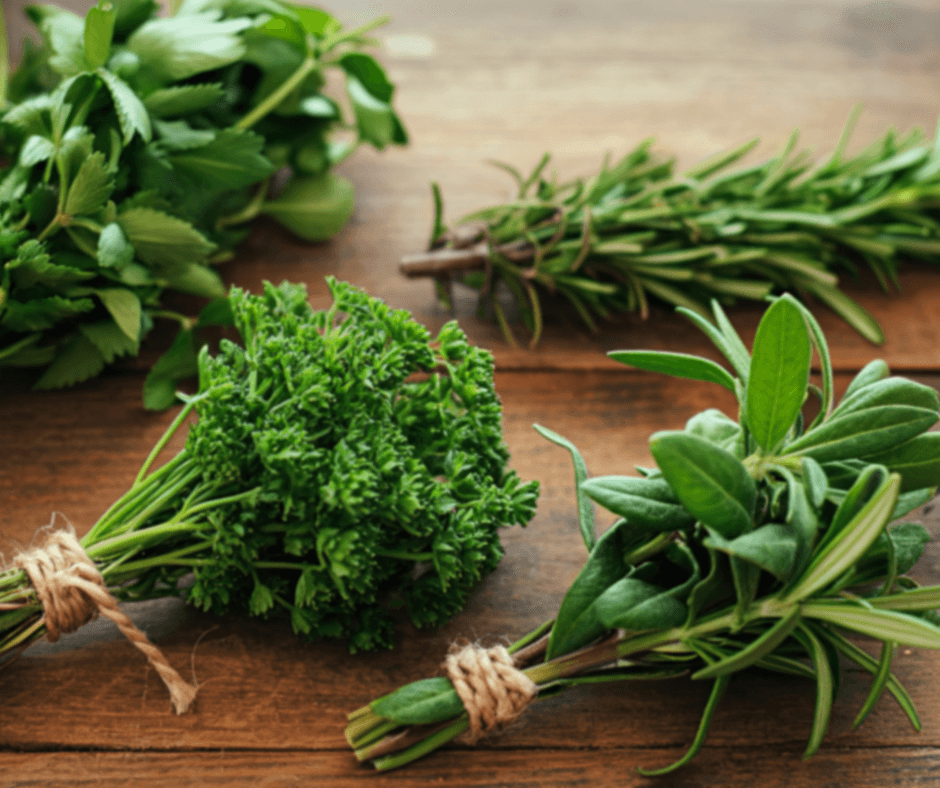
Herbs are one of the highest-value crops per square foot. They can be sold fresh, dried, or processed into products.
Herbs require minimal space and startup cost.
6. Selling Baked Goods

Many homesteaders generate income selling breads, sourdough products, and other baked goods.
Baked goods use skills and equipment many homesteaders already have.
7. Selling Preserved Foods
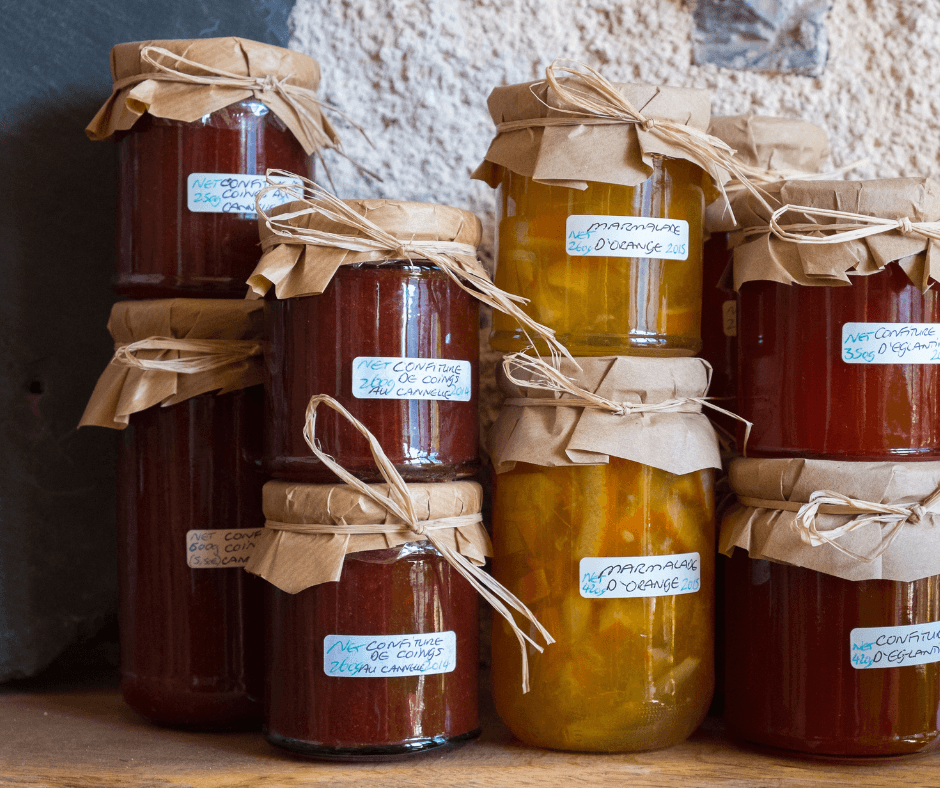
Preserved foods such as jams, pickles, canned goods, and freeze-dried foods have excellent income potential.
These products extend the value of your harvest.
8. Selling Plants and Seedlings
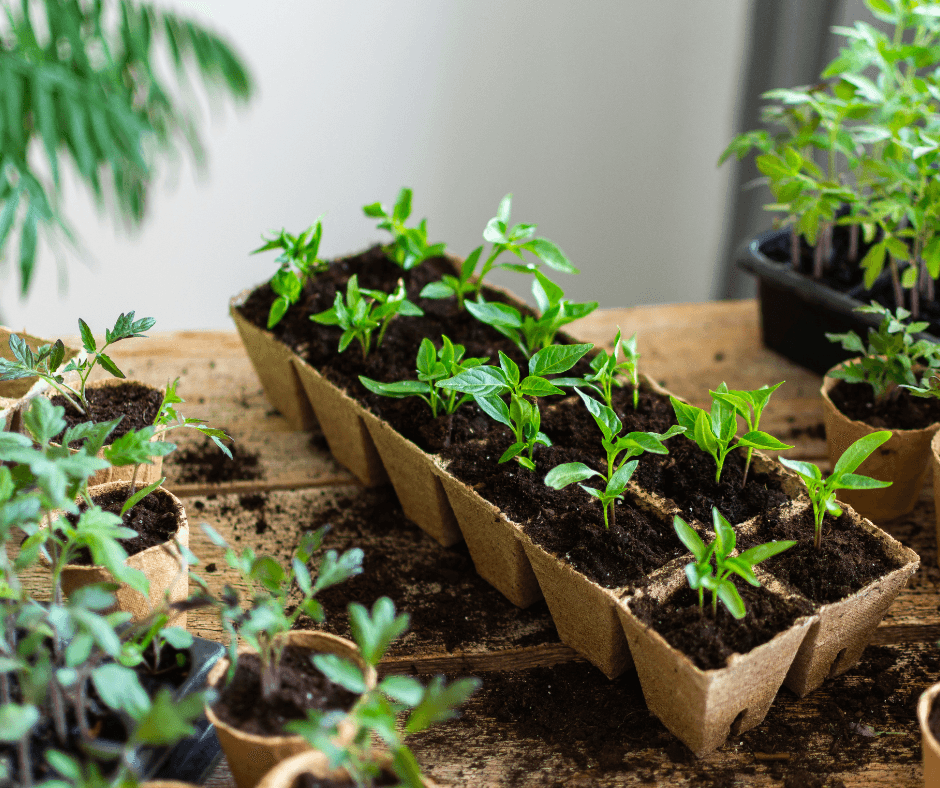
Many gardeners prefer buying started plants instead of starting from seed. Seedlings and plants can be sold seasonally for strong profits.
This income stream requires minimal space.
9. Selling Handmade Homestead Products
Homesteaders often create valuable handmade products such as candles, soaps, and crafts.
These products can be sold locally or online.
10. Teaching Classes or Workshops
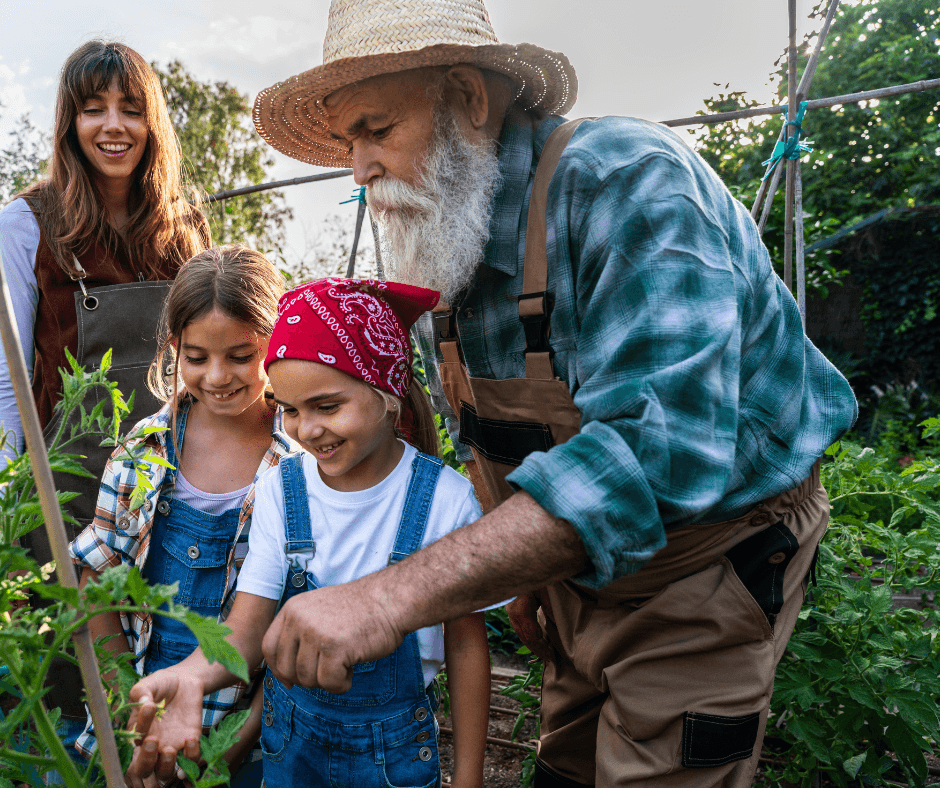
If you have developed homestead skills, you can teach others. Workshops and classes are highly valuable income streams.
Teaching allows you to monetize your knowledge.
11. Selling Digital Homestead Products

Digital products such as guides, planners, and educational materials allow you to earn income without ongoing production costs.
This income stream scales easily and reaches a wider audience.
The Most Important Rule:
Start With What You Already Have
The most successful homestead income streams begin with existing resources.
Start by evaluating:
Animals you already raise
Crops you already grow
Skills you already have
Equipment you already own
You do not need to build something new. You simply need to apply structure to what you already do.
Starting small reduces risk and allows you to learn and grow over time.
How Much Money Can a Homestead Generate?
Homestead income varies depending on effort, resources, and income streams.
Typical ranges include:
Small scale: $200 to $2,000 per year
Moderate scale: $2,000 to $10,000 per year
Established scale: $10,000 to $50,000 or more per year
Many homesteaders begin by offsetting expenses and gradually increase income over time.
The Biggest Mistakes to Avoid
Avoiding common mistakes improves your chances of success.
Common mistakes include:
Starting too large too quickly
Underpricing products
Failing to calculate costs
Lacking clear systems
Not planning income streams carefully
Success comes from steady, intentional growth.
How to Identify the Best Income Streams for Your Homestead
The most successful homestead income streams align with your existing skills, equipment, and environment.
Before choosing an income stream, it is important to evaluate:
Your available resources
Your skills and experience
Your time availability
Your local demand
To help with this process, I created a free Homestead Income Starter Pack.
It includes planning tools, pricing guidance, and a clear roadmap to help you turn your homestead into a realistic income source.
You can download it here:
Frequently Asked Questions About Homestead Income
Can you make money from a small homestead?
Yes. Many homesteaders generate income from small flocks, gardens, and handmade products. Income often begins small and grows over time.
What is the easiest way to make money from a homestead?
Selling eggs, produce, and handmade goods are among the easiest ways to start.
Do you need a large property to make homestead income?
No. Many income streams can be started on small properties using limited space.
How long does it take to start making money?
Some income streams generate income quickly, while others take time to establish. Starting with simple income streams allows faster results.
Final Thoughts
Your homestead already contains income potential.
By identifying the right income streams and applying simple systems, you can begin creating income from skills and resources you already have.
Start small, stay consistent, and build gradually.
If you want a clear roadmap to begin, download the free Homestead Income Starter Pack here:
👉 Click Here to Download the Free Homestead Income Starter Pack

Live Simply · Grow Confidently · Rise Fully
Sign up for email updates and exclusive offers




©Modernhomesteadwoman.com | Copyright 2026 | All Rights Reserved