

How Many Chickens Should Beginners Start With?
One of the most common questions new chicken keepers ask is:
“How many chickens should I get to start with?”
The truth?
There’s no one-size-fits-all answer—but there is a simple way to figure out the right number for you.
Whether you want just enough eggs for breakfast or you’re secretly dreaming of selling cartons at your local market, this post will walk you through the exact questions to ask before buying your first chicks.
Let’s help you build a flock that fits your life.
Start With the Goal: Why Do You Want Chickens?
Before choosing a number, get clear on why you want chickens in the first place. Ask yourself:
Do I want just enough eggs for my family?
Am I planning to sell extra eggs to friends or at a market?
Do I want to raise meat birds?
Do I want chickens as pets or for fun?
The answer to that question shapes everything else.
How Many Eggs Do You Actually Need?
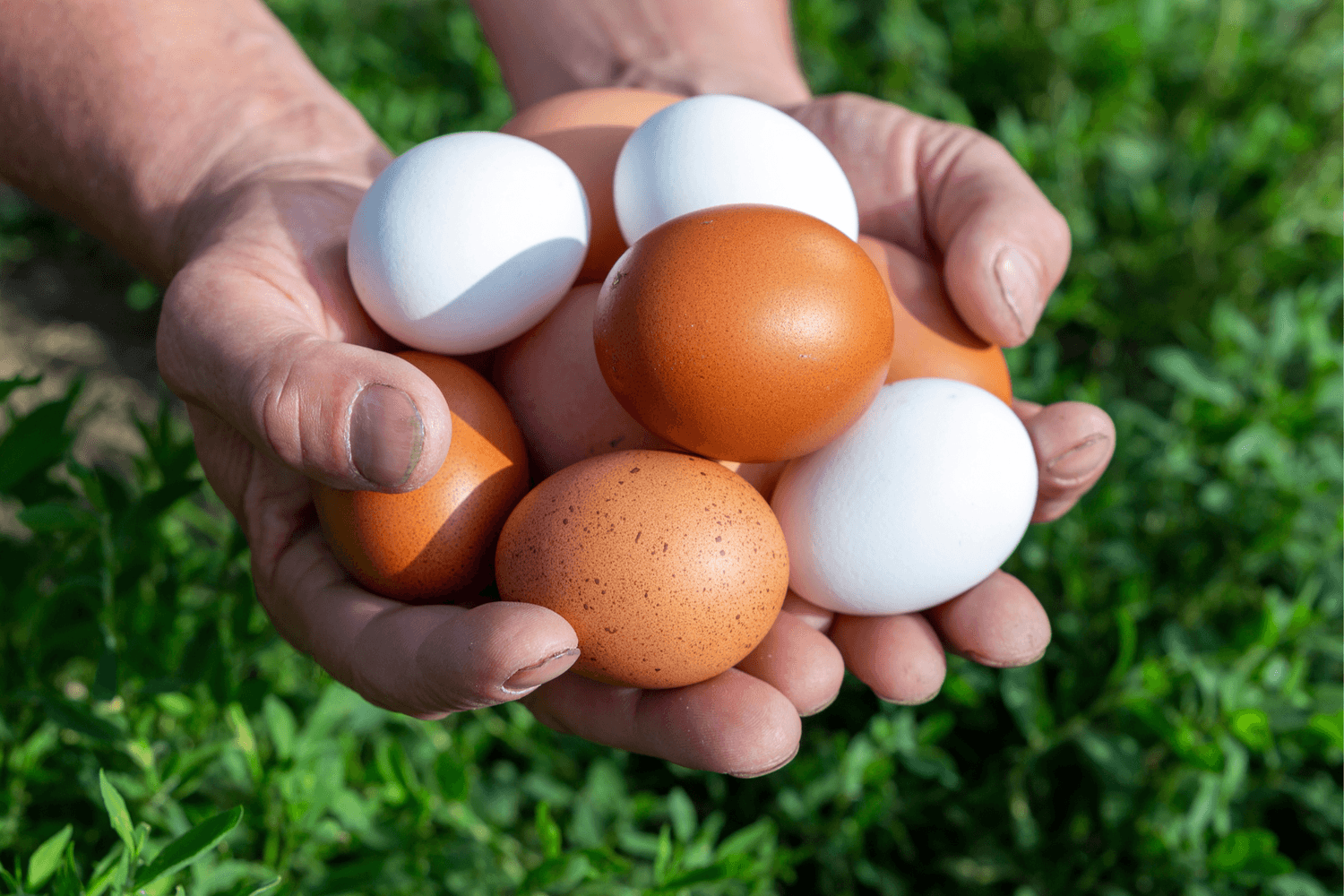
Let’s break it down with some egg math 🧠
🐔 On average, a healthy laying hen will produce:
4–6 eggs per week
200–300 eggs per year, depending on breed and season
So, let’s say your family eats:
12 eggs per week → You’ll need 3–4 hens
2 dozen per week → Aim for 5–6 hens
Eggs + extras to sell or share? Start with 8–10 hens
🧠 Remember: Chickens don’t lay daily forever. They molt, slow down in winter, and eventually taper off with age.
How Much Space Do You Have?
Overcrowding can lead to stress, aggression, odor, and illness—so this part really matters.
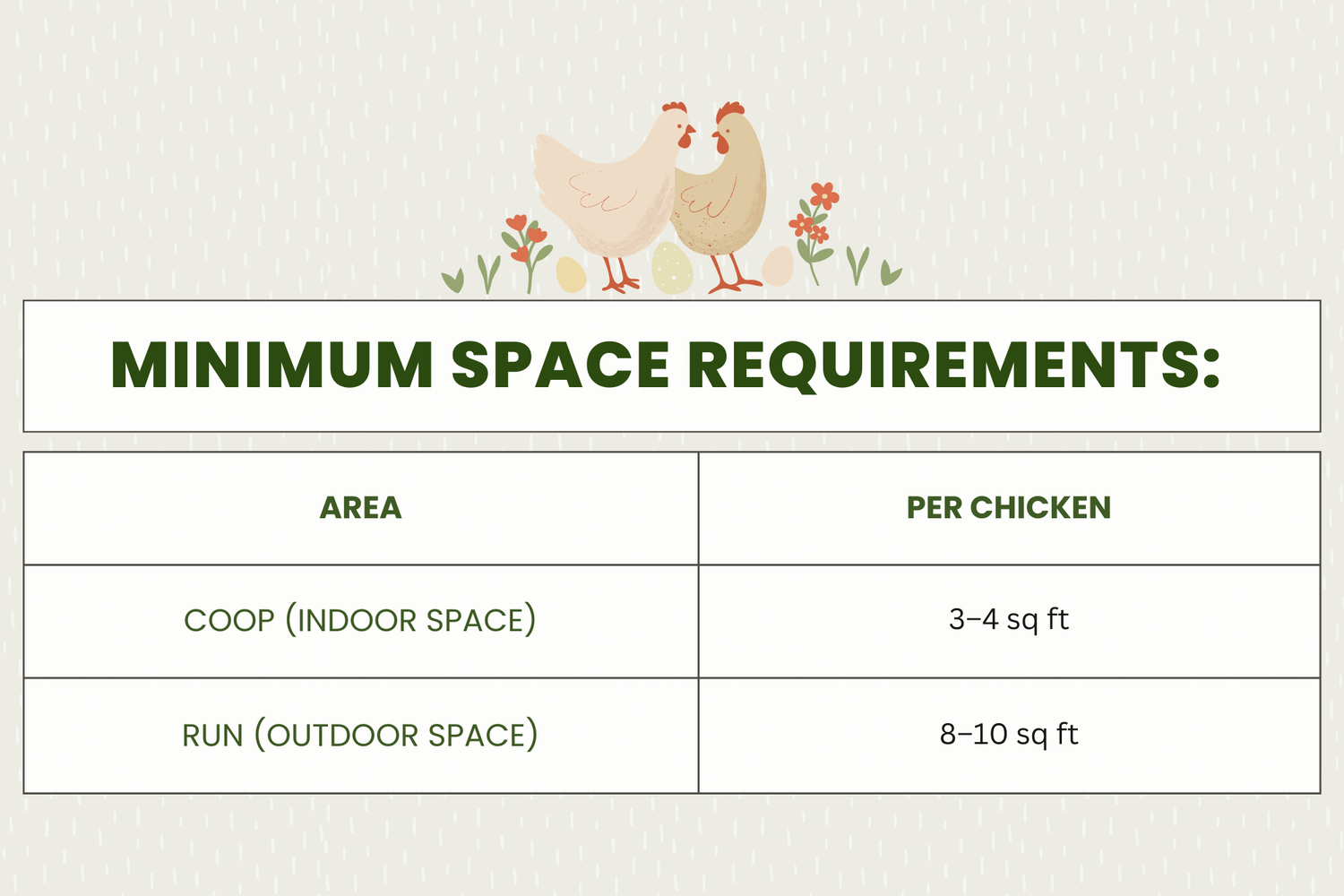
🧮 Example: If your coop is 20 sq ft and your run is 80 sq ft, you can comfortably start with 5 chickens.
If you plan to free-range or use a chicken tractor, you can sometimes stretch these numbers—but always prioritize comfort and cleanliness over squeezing in more birds.
Budget + Time: What Can You Actually Manage?

Chickens are lower maintenance than many pets—but they’re not no maintenance.
Think about:
Feed costs: Each hen eats ~¼ lb of feed per day
Bedding and coop supplies
Vet or supplement needs (especially if something goes wrong)
Your time: Daily care, weekly cleanouts, egg collection
Start with a flock that feels fun, not overwhelming. You can always add more next season.
Beginner Sweet Spot: Start With 3–6 Hens
If you're not sure what you need yet, I always recommend 3–6 hens to start.
Why?
It gives you enough eggs for most families
They form a stable social flock (never get just one!)
It’s easy to manage as you build your chicken confidence
😂 Just So You Know… Chicken Math Is Real
You start with 4 hens.
Then you see a cool breed on Instagram.
Then your feed store has chicks.
Then your broody hen hatches some.
And suddenly you have 19.
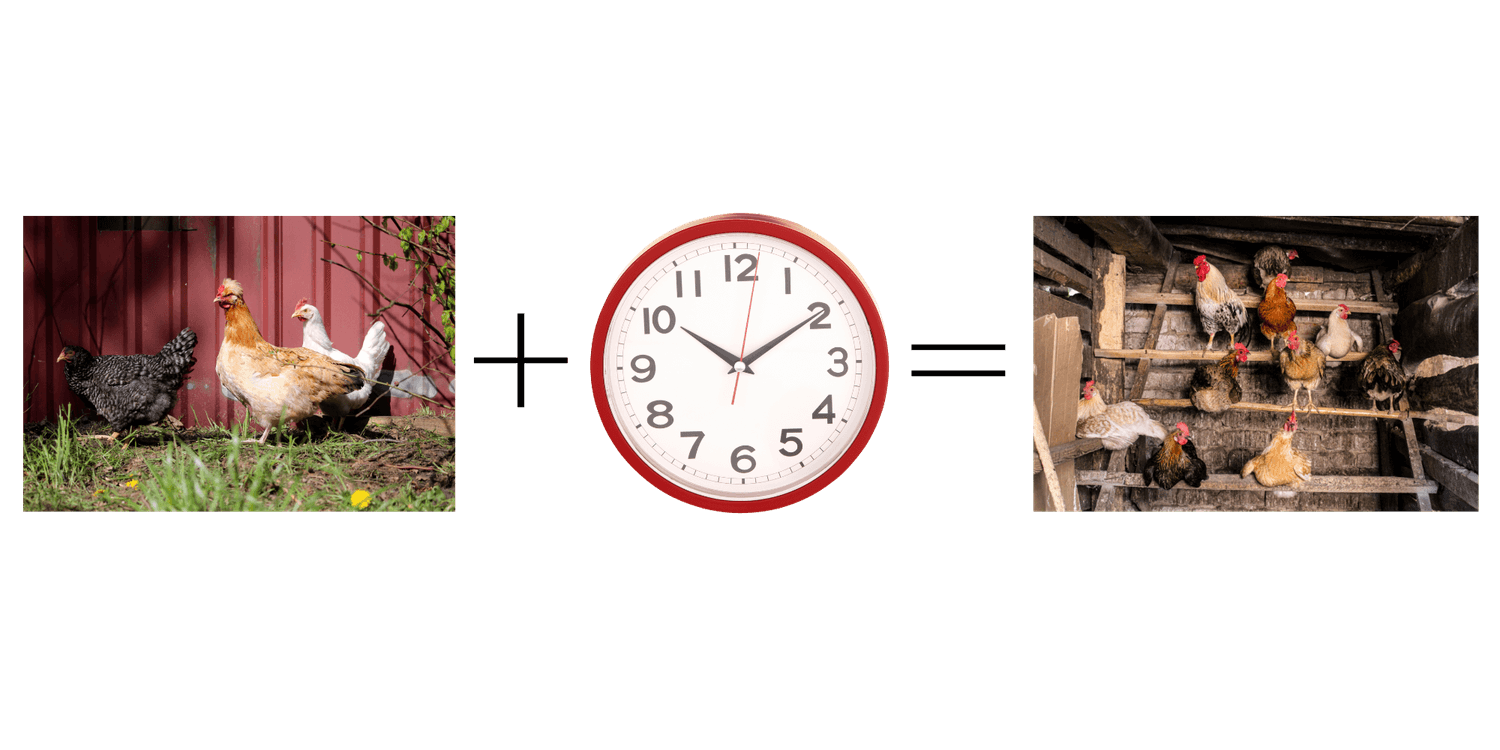
This is called chicken math—and it’s a thing. 😅
🐓 You think you’ll only want a few... but chickens are kind of addictive.
So here’s my advice:
Start small. Give yourself room to grow. And make sure your coop can handle a few extras just in case chicken math sneaks up on you.
Final Thoughts: Choose What Works for You
The “right” number of chickens isn’t about trends—it’s about your life.
Ask:
How many eggs do I actually need?
How much space and time do I have?
What kind of experience do I want?
Start with what’s manageable. Learn your rhythms. And grow from there.
📥 Need help mapping it all out?
Grab the Free Chicken Keeper Starter Toolkit—it includes:
A flock planning worksheets
Coop and space checklist
Set-up guides
My favorite chicken keeping products that I personally use
📘 Ready to go deeper?
Check out my book: Raising Chickens for Beginners on Amazon—your step-by-step guide to choosing breeds, building your coop, and creating a happy, healthy flock from day one.
This post may contain Amazon affiliate links, which means I may earn a small commission at no extra cost to you. I only recommend products I personally use and trust. 🐔

Live Simply · Grow Confidently · Rise Fully
Sign up for email updates and exclusive offers




©Modernhomesteadwoman.com | Copyright 2026 | All Rights Reserved