

Can You Really Make Money With Chickens? Here’s What No One Tells Beginners
If you’re asking, “Can you really make money with chickens?” — the short answer is:
Yes, you can.
But probably not in the way you’re imagining.
Backyard chickens can absolutely generate income. I’ve seen it. I’ve done it. But it doesn’t happen just because you own hens. It happens when you treat them like part of a plan.
This guide breaks down:
How people actually make money with chickens
How much you can realistically earn
The biggest beginner mistakes
What determines profitability
A simple framework to get started
If you’re serious about building income from your flock, this will give you the understanding and clarity you need to begin.
🥚 How Do People Make Money With Chickens?
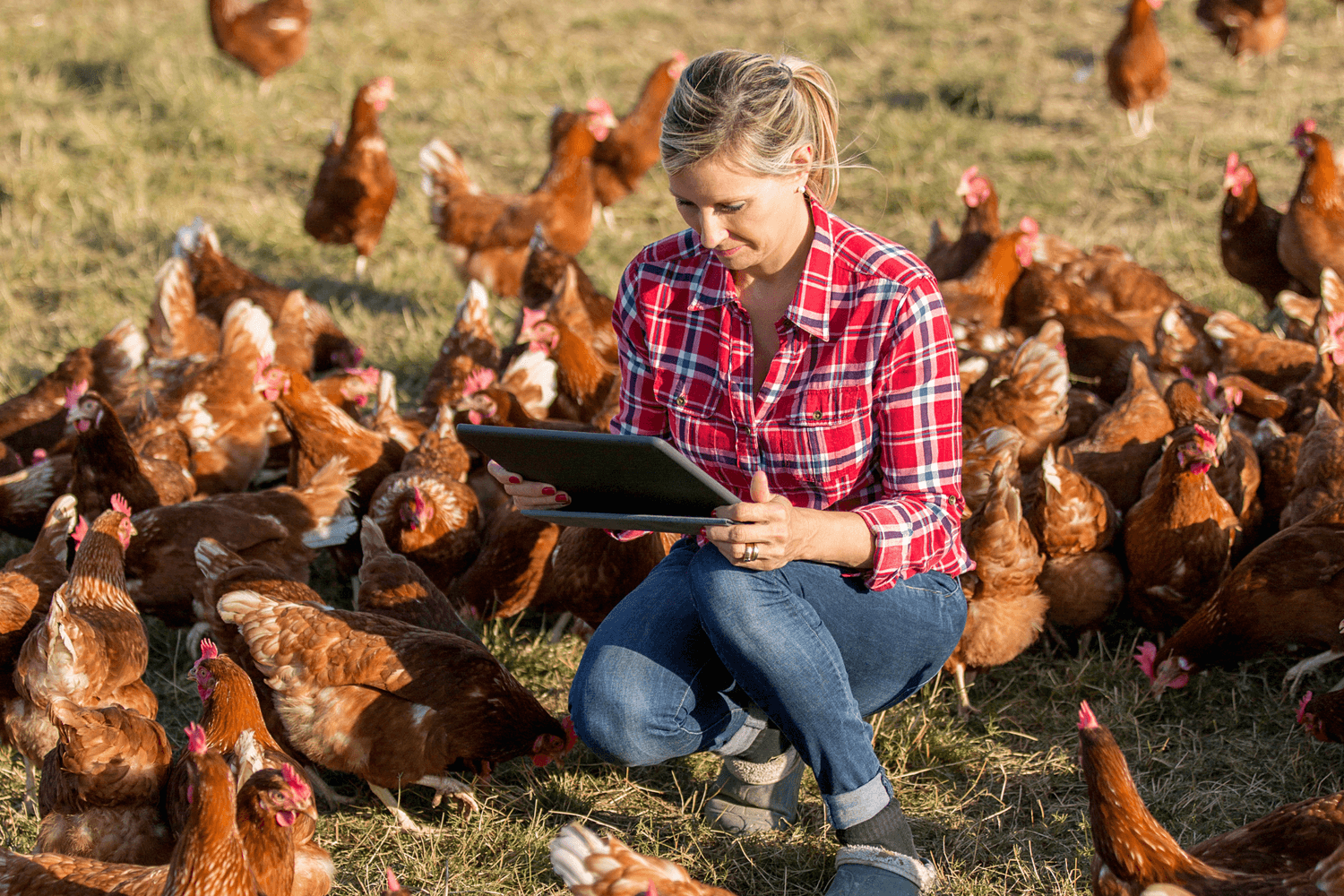
Most beginners assume it’s just egg sales. And yes — eggs are usually the starting point. But they’re rarely the full picture.
Here are the most common (and realistic) ways people earn from chickens:
1. Selling Eggs
The income stream most people think of when they want to make money with chickens is to sell chicken eggs. This is a great entry starting point. Selling chicken eggs typically requires no additional setup since homesteaders are selling their surplus eggs.
You want to price your eggs for profit, taking into account:
Feed costs
Local demand
Production consistency
Premium markets like using organic feed, pasture-raised and specialty breeds increase what you can charge and therefor increase profit margins.
2. Selling Chicks or Pullets
Selling chicks or pullets has a higher profit potential than eggs but requires more time and effort and setup costs. It takes weeks to months of growing your flock from the day they hatch in order to get them to a point that they can be sold.
You need to consider:
Feed Costs
Brooder setup/space requirements
Hatching/Incubation setup
Market demand for those breeds
Any additional setup requirements to get started
3. Breeding Specialty Birds
Rare or heritage breeds can command higher prices but require more experience. See if there is a market for specialty birds in your area before investing in this idea.
Not beginner-level — but worth mentioning.
4. Value-Added Products
Value-added products are items you create using what your homestead already produces.
Depending on local laws you could produce and sell:
Baked goods
Egg noodles
Fertilized eggs
Compost
Chicken manure fertilizer
Margins are often stronger here than raw egg sales.
5. Services
You can market and sell more than physical products. You can monetize your knowledge and experience. Consider some of these often overlooked income stream:
Chicken sitting (People going out of time often need someone to take care of their animals.)
Coop consulting (Beginners make lots of mistakes so position yourself as the authority and help them shorten the learning curve.)
Flock setup help (Help people from point A to Z in getting their backyard flock, from breed selection, where to buy chicks, coop setup, predator proofing, etc)
Beginner coaching (On an as needed basis, as issues come up for beginner chicken keepers)
Chicken auditing (Audit a chicken keeper's current setup and find areas that need improvement for flock safety and ease of care.)
Classes (Provide beginner level classes on chicken keeping and care, or any other homesteading skill set for that matter)
Service income can exceed egg income quickly.
6. Digital Products
In this age of digitalization, with some creativity and computer skills, you can monetize your homestead and help others by creating digital products to help others manage and organize their own homesteads or backyard flocks.
Chicken planners
Record-keeping logs
Flock health trackers
Printable guides
If you want to explore structured digital options, my Homestead Income Starter Pack walks through beginner-friendly income planning.
💰 How Much Money Can You Make With Chickens?
This is where most beginners misunderstand the opportunity.
Typical small backyard flock (6–12 hens):
May cover feed costs
May generate $100–$500/month in favorable markets
Rarely becomes full-time income without scaling
However…
When you combine:
A larger flock
Value-added goods
Services
Digital tools
Income becomes layered and has more growth potential.
That layering is what separates hobbyists from real homestead income generators.
If you want the full breakdown of realistic income options from your homestead, my ebook Making Money with Chickens walks you through how to generate income from your chickens.
⚠️ What No One Tells Beginners

1. Eggs Alone Rarely Create Strong Profit
Egg sales are often entry-level income.
Real profit usually comes from:
Higher-value birds
Services
Specialty positioning
Systemized sales
2. Burnout Kills Most Chicken Income Plans
Common beginner mistakes like:
Underpricing
No cost tracking
No systems
Expanding too fast
Unrealistic expectations
...can easily lead to burnout.
If you don’t track feed, time, and seasonal dips, income becomes guesswork.
This is why structured tools matter.
If you’re considering turning your chickens into income, the Chicken Business Income Streams Planner helps you explore and compare realistic income options before you commit resources—so you can move forward with clarity.
👉Get your hands on The Chicken Business Income Streams Planner now!
3. Legal Requirements Matter
Depending on location, you may need:
Cottage food licensing
Business registration
Sales tax permits
Zoning compliance
My Farm Business Legal Guide walks through beginner considerations to avoid costly mistakes.
👉 Get your copy of The Farm Business Legal & Compliance Guide here!
🪜 A Simple Beginner Framework
If this is your first time trying to earn from your chickens, follow this order:
Step 1: Start With Clarity
Begin with the Homestead Income Starter Pack.
It will help you evaluate what you already have, what skills you can leverage, and which income stream makes the most sense for your situation.
If you’re still in setup mode and focused on building a healthy flock first, download the Backyard Chicken Starter Pack before anything else.
👉 Get your free Homestead Income Starter Pack now!
👉 Download the Backyard Chicken Starter Pack here!
Step 2: Choose ONE Income Stream
Don’t try to:
Sell eggs
Hatch chicks
Offer services
Launch digital products
Scale everything at once
Pick one income stream. Build it out. Stabilize it. Understand your numbers.
Step 3: Track Everything
Use structured planning tools. You don't know if you are profitable if you aren't tracking your business, both costs and sales. Without records, profit disappears quietly.
👉 Get all the tools you need to start your Homestead Business here!
Step 4: Layer Carefully
Once your first income stream is steady and manageable, you can consider adding another.
Diversify slowly.
Expand intentionally.
Continue layering only as long as it feels sustainable and aligned with your goals.
Income from chickens grows best when it grows in stages — not all at once.
🌾 Final Thoughts: Is Making Money With Chickens Worth It?
For the woman who wants:
Supplemental income
To offset costs
Skill-based earning
A manageable side income
Yes — it can absolutely be worth it.
For someone wanting fast cash with no systems?
No.
Chickens reward consistency and structure. And if you treat them as part of a thoughtful income plan — not just a hobby — they can absolutely contribute to your homestead in meaningful ways.

Live Simply · Grow Confidently · Rise Fully
Sign up for email updates and exclusive offers




©Modernhomesteadwoman.com | Copyright 2026 | All Rights Reserved