
7 Best-Selling Farmstand Products That Actually Sell- (And How to Choose the Right Ones for Your Stand)
ne of the most exciting parts of starting a farmstand is deciding what you're going to put on those shelves. It's also one of the easiest places to get carried away.
There are so many things you could sell that before long you're making bread, cookies, jam, soap, granola, bouquets, and six other things while wondering why starting a "simple little farmstand" suddenly feels like a full-time job.
The better question isn't "What can I sell at my farmstand?"
It's "What will my customers actually buy?"
You only have so much time, garden space, kitchen space, and money to work with. Choosing a smaller group of products that people regularly buy is usually a much better starting point than trying to fill your stand with everything you know how to make.
If you're trying to decide what deserves a spot on your shelves, these seven farmstand products are a great place to start.
1. Fresh Eggs
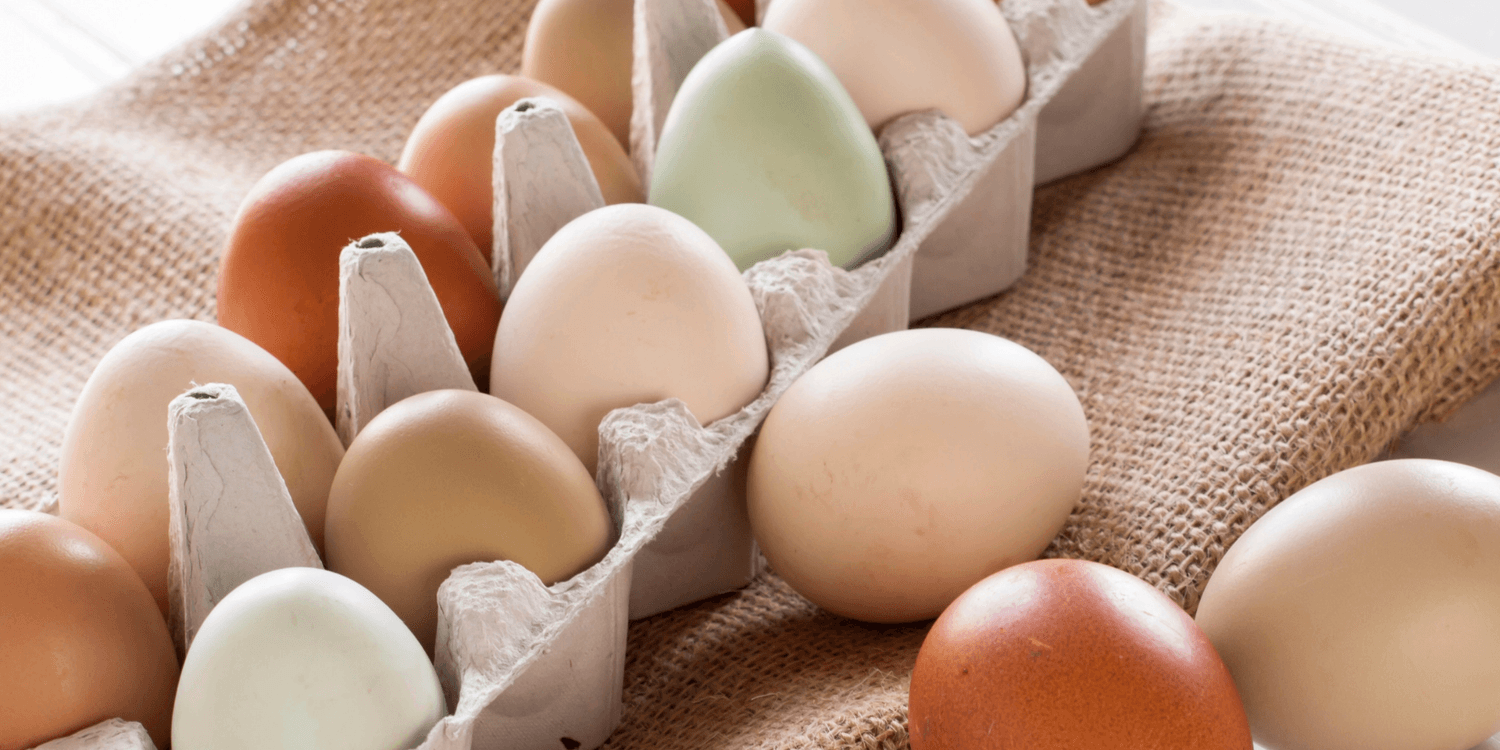
If you already keep chickens, fresh eggs are one of the most obvious products to start with.
People don't need much explanation about what to do with a dozen eggs, and customers who prefer fresh local eggs need them again and again. That repeat demand is what makes eggs particularly valuable for a farmstand.
Someone who discovers that she can stop at your stand every Saturday for eggs may eventually pick up a loaf of bread, a jar of jam, or whatever else catches her eye while she's there.
Presentation still matters, though. Use clean cartons, clearly display your price, and make sure you're following the egg-sale and labeling requirements where you live.
If your flock consistently produces more eggs than your household uses, I'd put eggs near the top of your list of products to test.
2. Homemade Bread
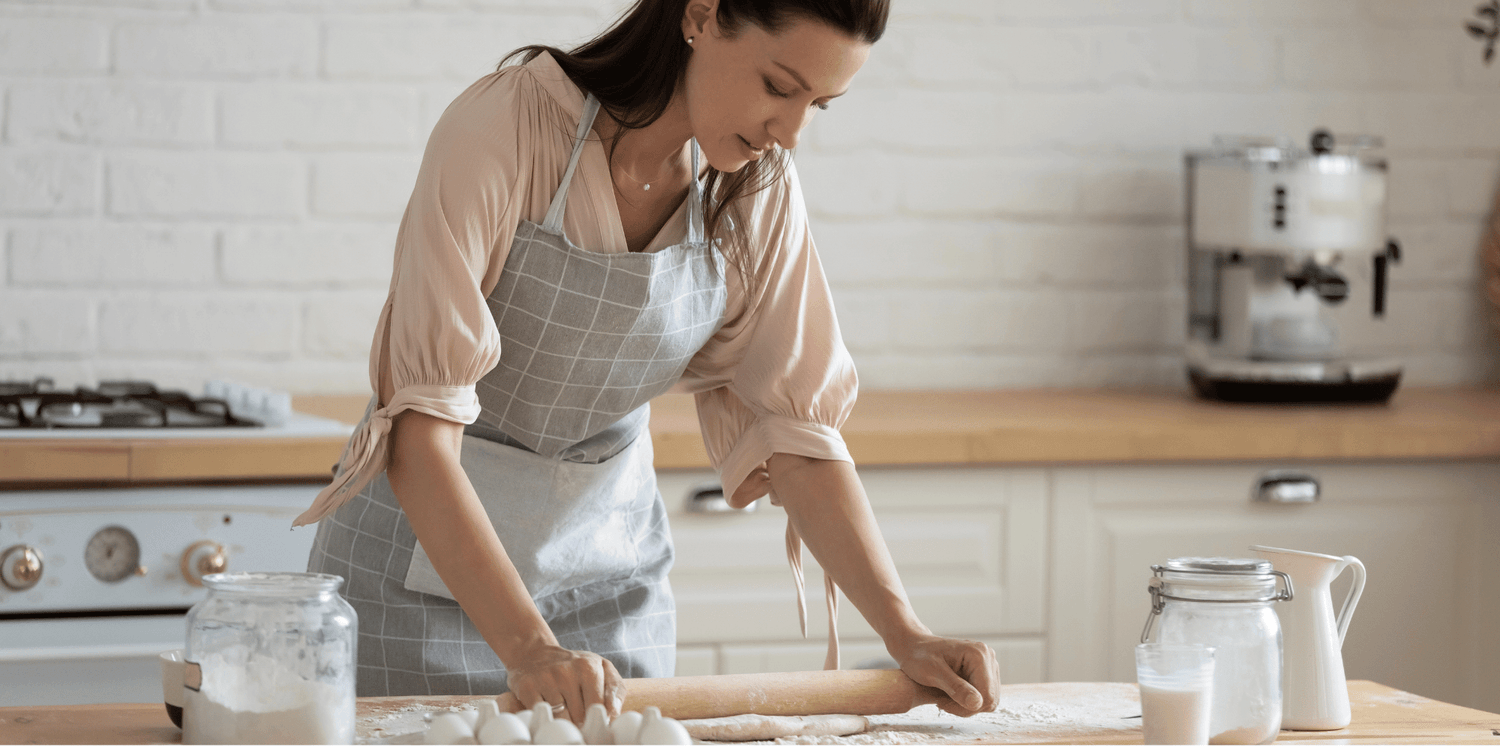
It's hard to make a farmstand look more inviting than putting a few beautiful loaves of homemade bread on the shelves.
Sourdough is especially popular, but you don't necessarily need five kinds of artisan bread. A really good sandwich loaf, sourdough boule, focaccia, or seasonal specialty bread can give customers another reason to make your stand part of their routine.
Bread also works beautifully with other farmstand products.
Someone buying a loaf may grab strawberry jam to go with it. Add eggs and suddenly she has most of tomorrow morning's breakfast sitting in her arms.
Before selling home-baked goods, check your state's cottage food laws to determine which products you're allowed to make and sell from your home kitchen and what labeling is required.
3. Homemade Jam or Preserves
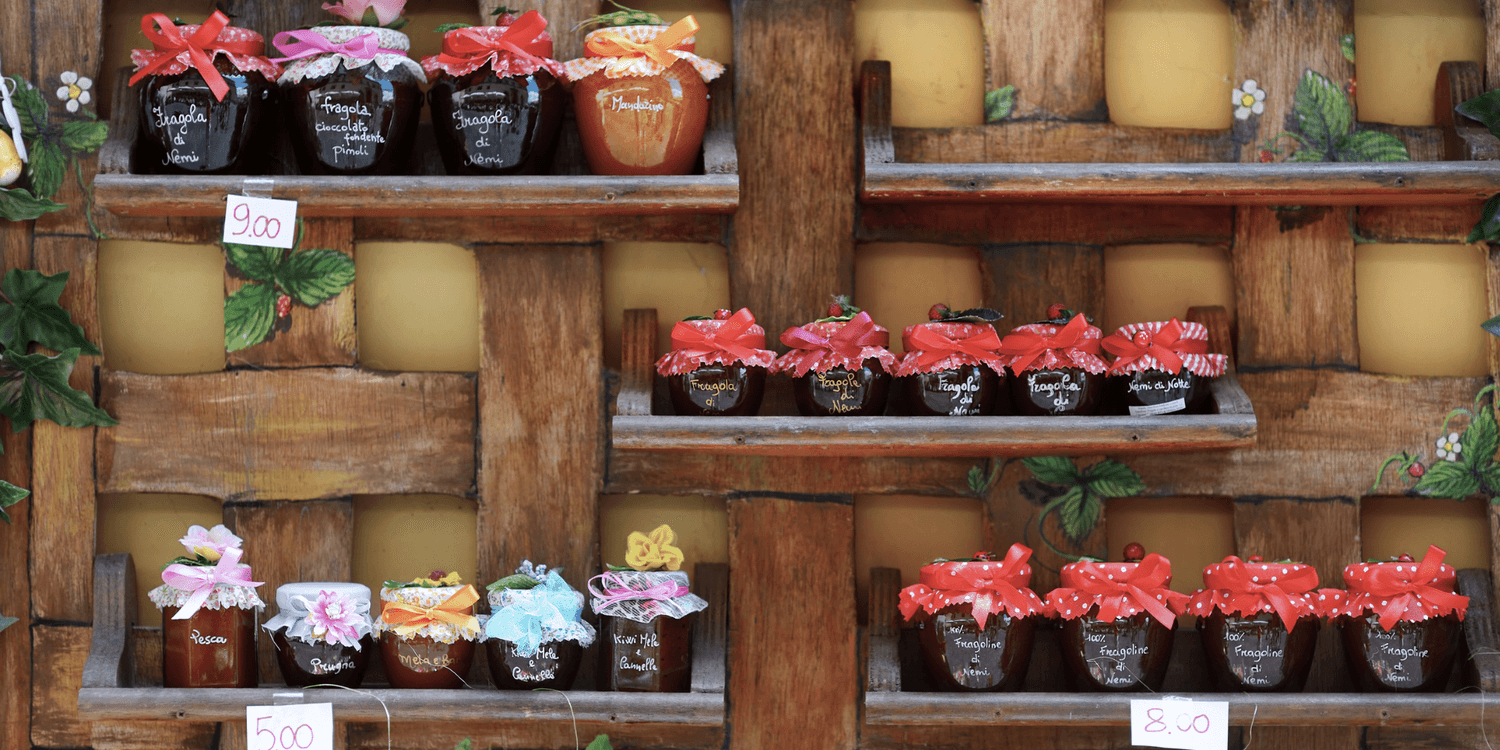
Jam gives you a way to turn seasonal fruit into something you can continue selling long after the fresh berries or peaches are gone.
It also has the kind of homemade charm people expect to find at a farmstand. Strawberry jam beside a loaf of sourdough practically sells the idea for you.
You don't need twelve flavors to start. Try a few familiar favorites first and see what your customers actually buy before spending your time producing a large inventory.
Jams and preserves can also work well as add-on purchases and gifts, particularly when they're packaged attractively.
Just make sure any preserved foods you sell comply with the food laws that apply in your state.
4. Simple Baked Goods
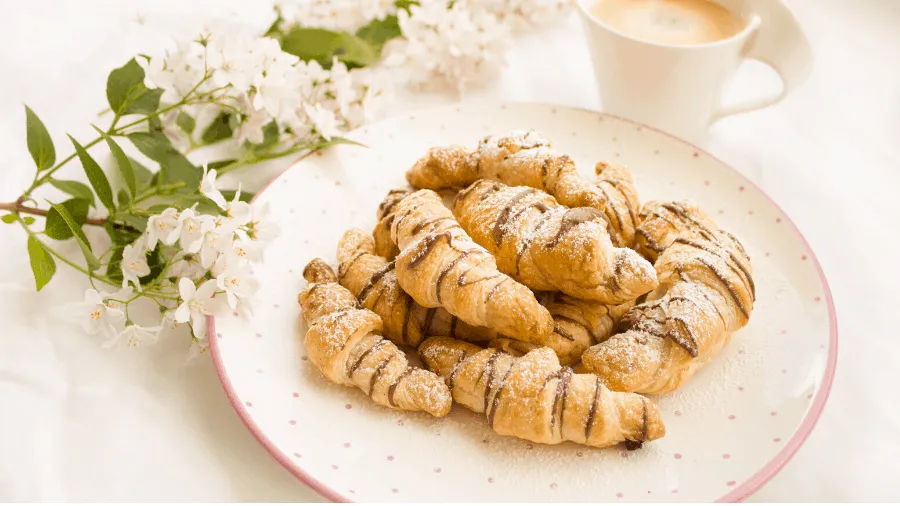
Cookies, muffins, cinnamon rolls, brownies, quick breads, and other familiar baked goods can be great farmstand sellers because they're an easy little treat to add to another purchase.
This is another category where I'd resist the urge to make too much.
If your giant chocolate chip cookies disappear every weekend, you don't necessarily need to add eight more cookie flavors. Make more of what people are already asking for.
Baked goods also give you an easy way to experiment with seasonal products. Pumpkin bread in the fall, lemon treats in the spring, or decorated cookies around a holiday can make the stand feel different throughout the year without changing your entire product lineup.
Again, check your cottage food laws before deciding what goes on the menu.
5. Fresh Flowers
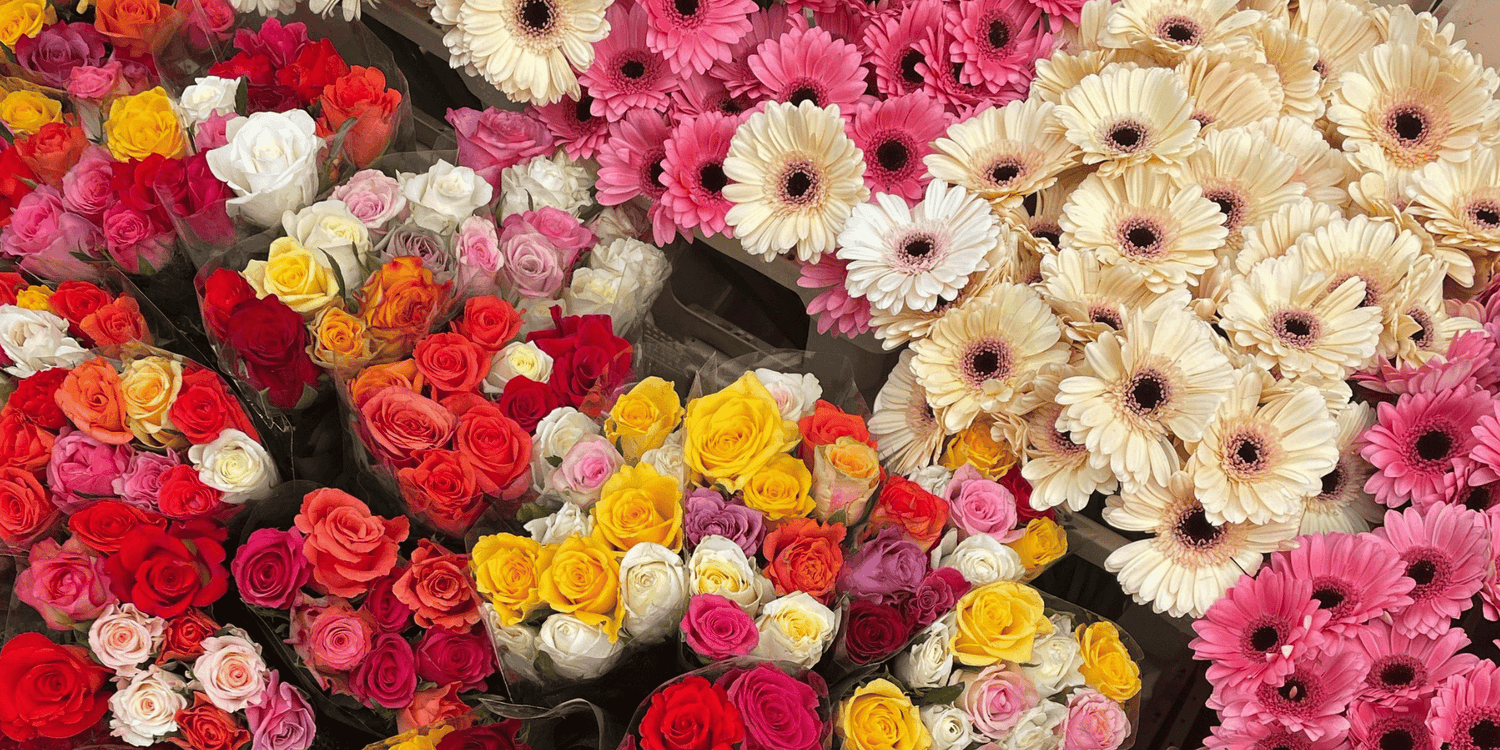
Don't underestimate what a bucket of flowers can do for a roadside farmstand.
Fresh bouquets can be a product themselves, but they also make your entire stand more noticeable and inviting. A driver may spot a colorful display of flowers before she notices the jars sitting on a shelf behind them.
If you're already growing flowers, try simple seasonal bouquets rather than making every arrangement elaborate. You're running a farmstand, not auditioning for a wedding florist. 😉
Flowers also pair naturally with other farmstand purchases. A customer stopping for Saturday morning eggs and bread might happily spend a few more dollars on a bouquet for her kitchen table.
6. Seasonal Produce
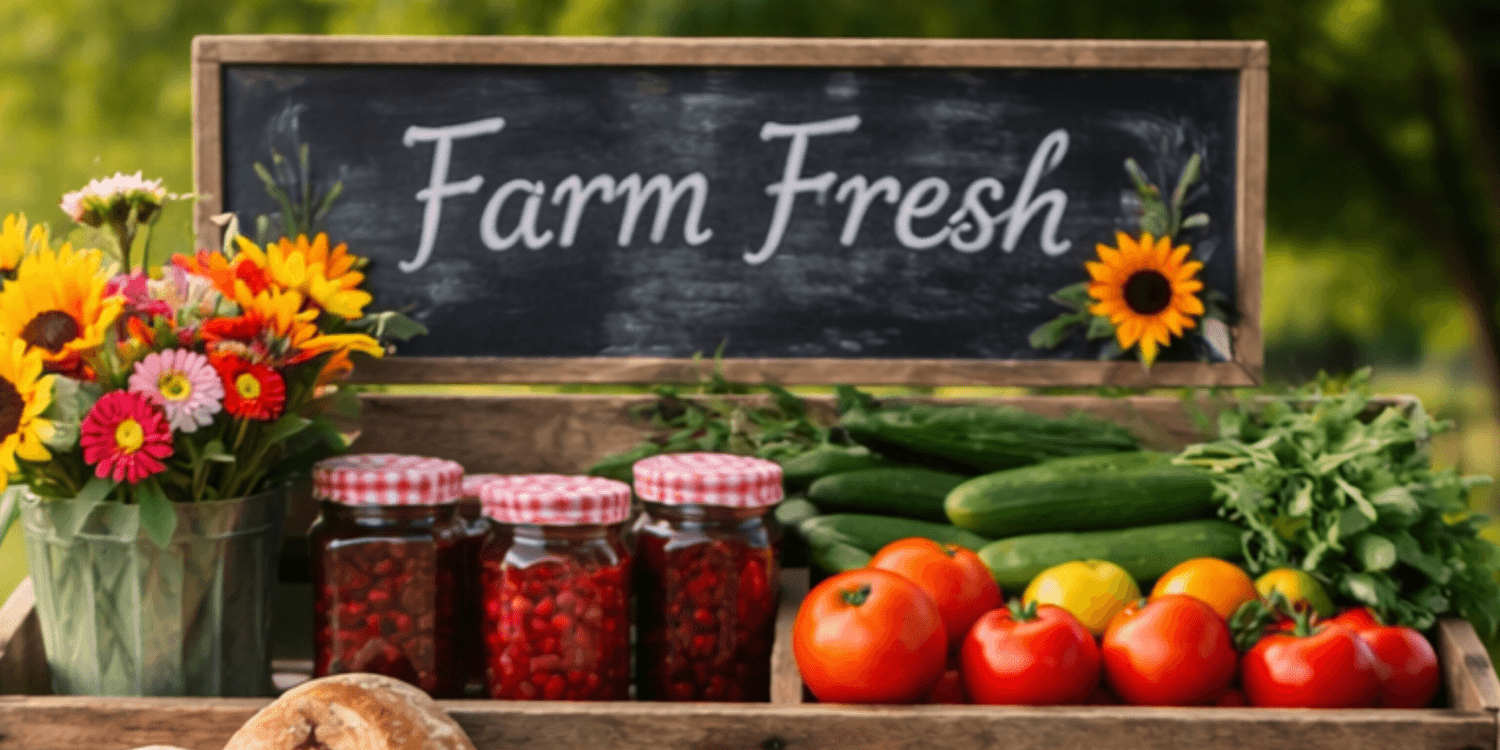
Tomatoes, cucumbers, zucchini, peppers, melons, herbs, greens, berries, and whatever else is thriving in your garden can give customers exactly what they expect from a roadside farm stand: really fresh, locally grown food.
The trick is working with the season rather than trying to stock everything all the time.
If your garden is overflowing with tomatoes in July, sell tomatoes. When the cucumbers arrive, let cucumbers take their turn. Customers generally understand that locally grown produce changes with the season.
You can also pay attention to what disappears first. If your tomatoes are gone by 10 a.m. every Saturday while zucchini is still sitting there Monday morning, your customers are giving you some pretty useful information about what to grow more of next year.
7. Value-Added Products
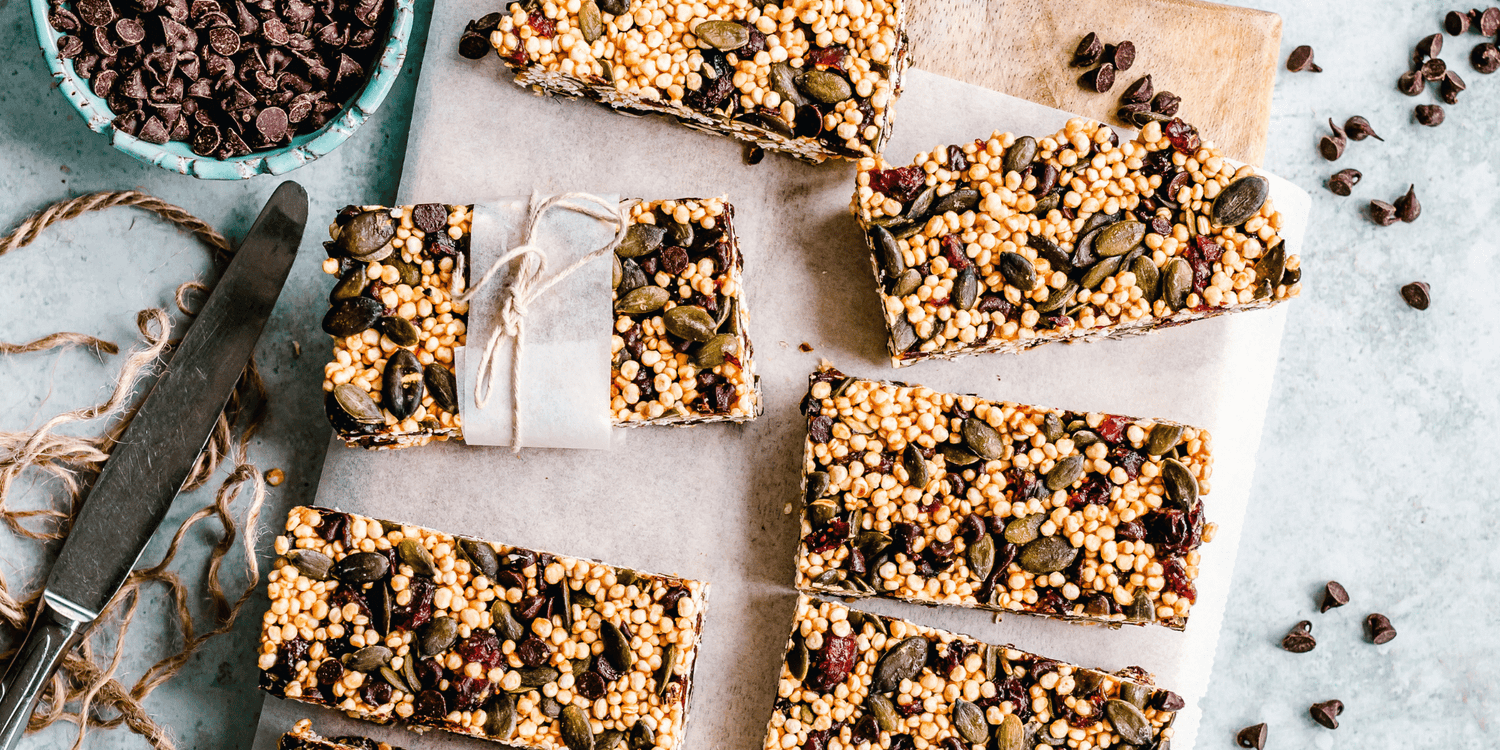
Once you've established some basic products, value-added goods can give you even more possibilities.
These are products where you've taken an ingredient or skill and turned it into something customers can conveniently use. Depending on what you're legally allowed to sell, that might include granola, baking mixes, dried herbs, flavored salts, soup mixes, packaged snacks, honey products, or other shelf-stable foods.
They can be especially useful because many can be prepared ahead of time rather than needing to be made the morning your stand opens.
Some may also offer better profit margins than selling the original ingredient by itself.
But don't choose something simply because the potential margin looks good. It still needs to be something your customers want and something you can produce efficiently.
How Do You Choose What to Sell at Your Farmstand?
This is the most important part.
A list of popular farmstand products can give you ideas, but your best sellers aren't necessarily going to be identical to someone else's.
Before choosing your first products, ask yourself a few questions:
What am I already producing?
If you already have chickens laying more eggs than you need, start there. Don't decide you need to become an expert sourdough baker just because bread sells well.
What can I produce consistently?
Selling something once is easy. Keeping it stocked week after week is different.
What gives me a reasonable profit for my time?
A product that sells for $8 isn't necessarily profitable if it takes you an hour and $6 worth of ingredients and packaging to make.
What do people in my area actually buy?
Pay attention to what disappears, what customers ask about, and what sits on the shelves.
What am I legally allowed to sell?
Check this before investing in ingredients, packaging, equipment, or labels.
That's why I'd start with only three to five products, even if you eventually want a stand overflowing with choices.
Give those products a chance to sell. Keep track of what's working. Then use actual customer behavior to decide what you add next.
A Good Product Mix
Instead of choosing five completely unrelated things, think about products that naturally work together.
For example:
Saturday Breakfast:
Fresh eggs + sourdough bread + strawberry jam
Garden Stand:
Tomatoes + cucumbers + fresh herbs + flowers
Treat Stop:
Cookies + cinnamon rolls + bread + seasonal jam
When products make sense together, one purchase can naturally lead to another.
And you don't have to sell the same things year-round. Part of the fun of shopping at a farmstand is seeing what's fresh or what someone has made that week.
📘 Want More Farmstand Products + Recipes?
If you're still wondering what you should actually make and put on your shelves, I've done a lot more of the homework for you.
The Farmstand Best-Selling Products & Recipe Guide goes beyond these seven categories and gives you practical product ideas and recipes you can use to start building your own lineup.
Inside you'll find:
✔ Best-selling farmstand product ideas
✔ 15 high-profit products to consider
✔ Beginner-friendly recipes
✔ Packaging ideas
✔ Ways to combine products and encourage larger purchases
Instead of spending weeks trying a little bit of everything, you can start with a much better idea of which products are worth testing at your stand.
👉 [GET THE FARMSTAND BEST-SELLING PRODUCTS & RECIPE GUIDE →]
Start With a Few Good Products
You don't need twenty different things on your shelves to have a farmstand people enjoy visiting.
Start with a handful of products that make sense for what you already grow, raise, or make. Pay attention to what customers buy, what they ask for, and what makes enough money to justify the work you're putting into it.
Then build from there.
A farmstand filled with five things people can't wait to buy again is far more valuable than one filled with twenty things you're hoping somebody takes home.
Frequently Asked Questions
What sells best at a farmstand?
Fresh eggs, homemade bread and baked goods, seasonal produce, jams and preserves, flowers, and certain value-added products are all popular farmstand options. What sells best at your particular stand will depend on your location, customers, season, pricing, and product quality.
What are the most profitable farmstand products?
Value-added foods and baked goods can sometimes provide stronger margins than raw produce because you're turning relatively inexpensive ingredients into a finished product with greater perceived value. However, profitability depends on your ingredient costs, packaging, labor, pricing, and local demand.
How many products should I sell when starting a farmstand?
Three to five products is a manageable starting point for many beginners. It gives you enough variety to learn what customers want without creating an overwhelming amount of inventory and production work.
What can I sell at a farmstand besides produce?
Depending on your local laws, possibilities include eggs, bread, cookies, jams, flowers, honey, granola, dried herbs, baking mixes, handmade products, plants, seedlings, and other locally produced goods.
Do I need a permit to sell food at a farmstand?
Requirements vary by state and locality and by the type of food you're selling. Check your state's cottage food and egg-sale regulations as well as applicable county, city, zoning, signage, and roadside-sales requirements before opening.
Live Simply · Grow Confidently · Rise Fully
Sign up for email updates and exclusive offers




©Modernhomesteadwoman.com | Copyright 2026 | All Rights Reserved